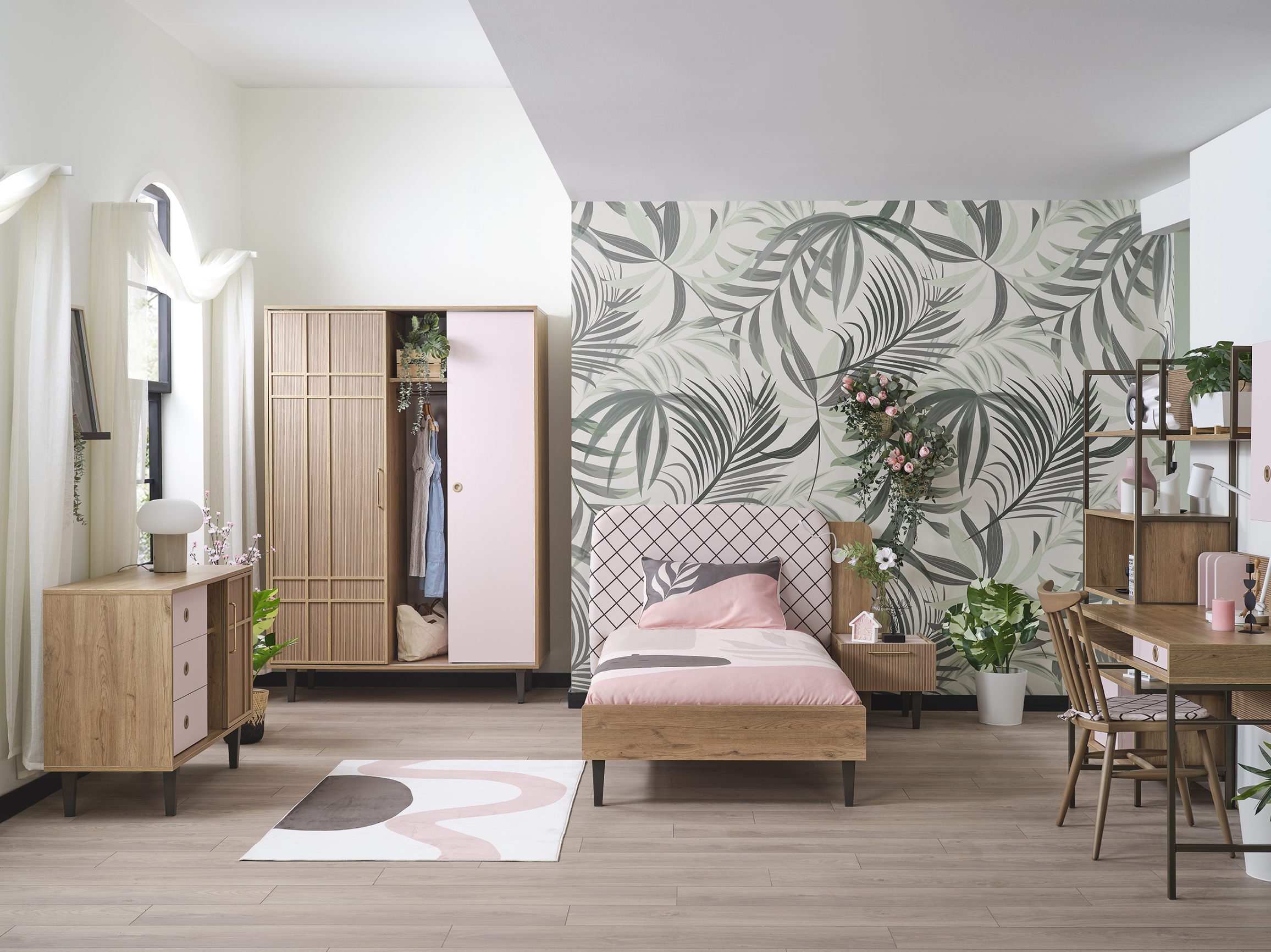
How to Choose Furniture for Kids With Sensory Needs
When choosing furniture for kids with sensory needs, focus on comfort and soft textures. Opt for materials like velvet or microfiber that provide a cozy feel, and use calming colors like soft blues and greens to promote relaxation.
Functional designs, such as modular seating and multi-purpose pieces, enhance play and downtime. Involve your child in selecting colors and textures to foster a sense of ownership. Discover more tips and ideas to create a sensory-friendly space that works for them.
Key Takeaways
- Select soft, sensory-friendly materials like velvet, microfiber, and cotton to provide comfort and security for children with varying sensory needs.
- Incorporate calming colors such as soft blues and gentle greens to promote relaxation and reduce anxiety in children’s environments.
- Choose multifunctional and adjustable furniture designs to accommodate children’s evolving preferences and unique sensory requirements during play and relaxation.
- Involve children in the decision-making process regarding textures and colors to foster a sense of ownership and belonging in their space.
- Create thoughtfully designed furniture layouts that include cozy reading corners and open play areas to support comfort and freedom of movement.
Understanding Sensory Needs in Children
When it comes to understanding sensory needs in children, it’s crucial to recognize that each child experiences the world differently. Some kids might seek out sensory input, while others may feel overwhelmed by it.
You’ll notice that certain textures, sounds, or lights can either soothe or agitate them. Pay attention to their reactions; those cues are valuable insights into their sensory preferences.
Creating an environment that respects these needs fosters belonging and security. It’s not just about what they see or touch; it’s about how they connect with their surroundings.
Importance of Comfort in Furniture Selection
Creating a supportive environment for children with sensory needs means prioritizing comfort in furniture selection. Comfort plays an essential role in helping kids feel secure and relaxed. When choosing furniture, consider how it will support their physical and emotional well-being.
| Furniture Type | Comfort Features | Benefits |
|---|---|---|
| Sofas | Soft cushions | Provides a cozy space for relaxation |
| Chairs | Ergonomic design | Supports proper posture |
| Beds | Memory foam mattresses | Guarantees restful sleep |
| Bean bags | Flexible shape | Adapts to their body |
| Floor cushions | Soft, portable | Offers a safe, inviting play area |
Choosing the Right Textures
When selecting furniture for your child, consider the textures that will best suit their sensory needs.
Soft materials can provide comfort and a sense of security, while rough textures might help others engage their senses.
You’ll want to choose sensory-friendly materials that promote a positive experience in their environment.
Soft vs. Rough Textures
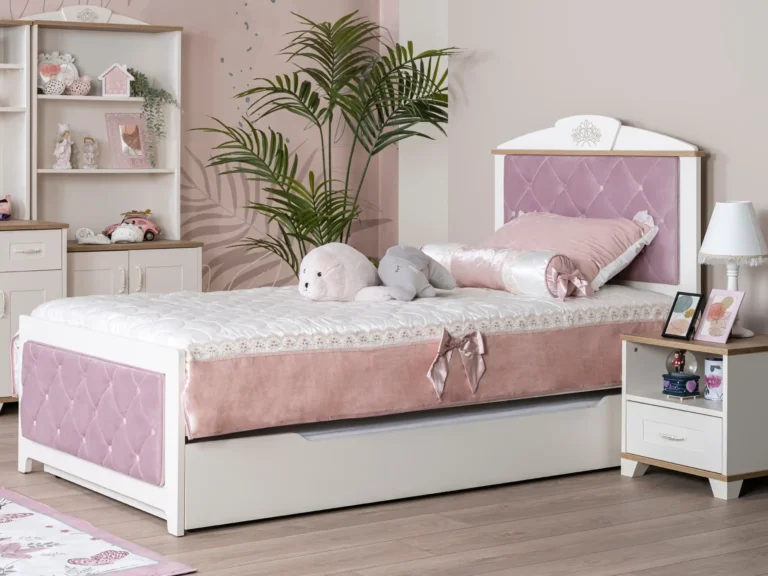
Textures play an essential role in your child’s comfort and sensory experience. When choosing furniture, consider soft textures like plush fabrics or velvety cushions. These materials can create a cozy, inviting space that helps your child feel secure and relaxed.
On the other hand, rough textures like woven fabrics or wood can be stimulating and might overwhelm sensitive kids. It’s important to find a balance that suits your child’s preferences. You might even want to involve them in the decision-making process, letting them touch and feel different options.
This way, they’ll feel a sense of ownership and belonging in their environment. Ultimately, the right textures can enhance their comfort and foster a peaceful atmosphere at home.
Sensory-Friendly Materials
Selecting sensory-friendly materials can greatly impact your child’s comfort and well-being.
When choosing textures, think about what feels good to them and fosters a sense of belonging.
Here are some materials to evaluate:
- Soft fabrics: Look for plush or velvety textures that provide comfort.
- Breathable textiles: Cotton or linen helps prevent overheating and irritation.
- Sensory cushions: Choose cushions that offer varying textures to stimulate touch and exploration.
- Washable surfaces: Opt for materials that are easy to clean, ensuring a worry-free environment.
Color Psychology and Its Impact
Colors can greatly influence a child’s mood and behavior, so understanding color psychology is essential when choosing furniture for kids with sensory needs.
Warm colors like red and orange can energize and stimulate, but they might also overwhelm sensitive kids. Cool colors such as blue and green promote calmness and relaxation, creating a soothing environment.
Soft pastels can provide a sense of safety and comfort, fostering belonging and security. When selecting furniture, think about how these colors interact with your child’s personality and sensory preferences.
You want to create a space that feels welcoming and nurturing. By choosing the right colors, you can help your child thrive, making their environment a true reflection of their needs and emotions.
Functional Furniture for Play and Relaxation
When choosing furniture for your child, soft textures can make playtime and relaxation more inviting.
Consider adjustable seating options that grow with your child and support their unique needs.
Multi-functional designs can also maximize space while providing comfort and versatility for various activities.
Soft Textures Matter
Since kids with sensory needs often seek comfort and security, incorporating soft textures into their furniture can make a significant difference in their play and relaxation experiences.
Soft textures not only provide a sense of safety but also create a welcoming environment where your child can thrive.
Here are some great options to contemplate:
- Plush cushions that invite snuggling
- Velvety throws for cozy warmth during downtime
- Soft bean bags that mold to their shape
- Textured rugs to stimulate their sense of touch
Adjustable Seating Options
Adjustable seating options can transform your child’s play and relaxation space, ensuring they’ve the right support for various activities.
These versatile chairs and cushions adapt to your child’s needs, promoting comfort and encouraging engagement. Whether they’re drawing, reading, or simply unwinding, adjustable seating can help them feel secure and in control.
Look for options that allow for height adjustments or different reclining positions, which can cater to your child’s unique sensory preferences.
You might also consider bean bags or floor cushions that can be easily moved around, creating a cozy nook where your child feels at home.
Multi-Functional Designs
Choosing furniture with multi-functional designs can greatly enhance your child’s environment, combining play and relaxation in one versatile package.
These pieces not only save space but also foster a sense of belonging in their play areas. Here are some features to look for:
- Convertible sofas that turn into play mats
- Storage ottomans that double as seating and toy boxes
- Activity tables that can shift from homework to crafting
- Bunk beds with built-in desks for creativity and rest
Safe and Durable Materials
When selecting furniture for kids with sensory needs, it’s important to prioritize safe and durable materials. You’ll want to choose items that withstand wear and tear while ensuring they’re free from harmful chemicals.
Look for non-toxic finishes and sturdy fabrics that can handle daily activities. Comfort is key, so soft, breathable fabrics can help create a welcoming environment.
Here’s a quick guide to help you choose the right materials:
| Material | Safety Features | Durability |
|---|---|---|
| Organic Cotton | Hypoallergenic, Non-toxic | Machine washable |
| Bamboo | Naturally antibacterial | Scratch-resistant |
| Solid Wood | Non-toxic finishes | Long-lasting |
Flexible and Adaptable Options
Furniture that accommodates the unique needs of kids with sensory sensitivities should also be flexible and adaptable.
This way, you can create a space that evolves with your child’s preferences and routines, promoting comfort and belonging.
Consider these adaptable furniture options:
- Modular seating that can be rearranged for different activities.
- Adjustable tables for various tasks, from homework to art projects.
- Storage solutions that can change as your child’s interests grow.
- Convertible furniture that serves multiple purposes, like a bed that transforms into a lounge area.
Incorporating Calming Elements
When selecting furniture for kids with sensory needs, incorporating calming elements can make a big difference.
Think about soft textures and fabrics that invite touch, along with colors that promote relaxation.
Adjustable lighting options can also create a soothing atmosphere that helps your child feel more at ease.
Soft Textures and Fabrics
How can you create a soothing environment for your child with sensory needs?
Soft textures and fabrics can play an essential role in providing comfort and calmness.
When choosing furniture, consider incorporating these elements to help your child feel safe and grounded:
- Velvet or Microfiber: These materials offer a gentle touch, making them perfect for cuddling.
- Cotton: Breathable and soft, cotton fabrics can help regulate temperature and reduce discomfort.
- Faux Fur: Adding a plush element can create a cozy nook where your child can retreat.
- Weighted Blankets: They provide gentle pressure, promoting a sense of security and relaxation.
Color Psychology Impact
Creating a soothing environment goes beyond just soft textures; color also plays a significant role in your child’s comfort.
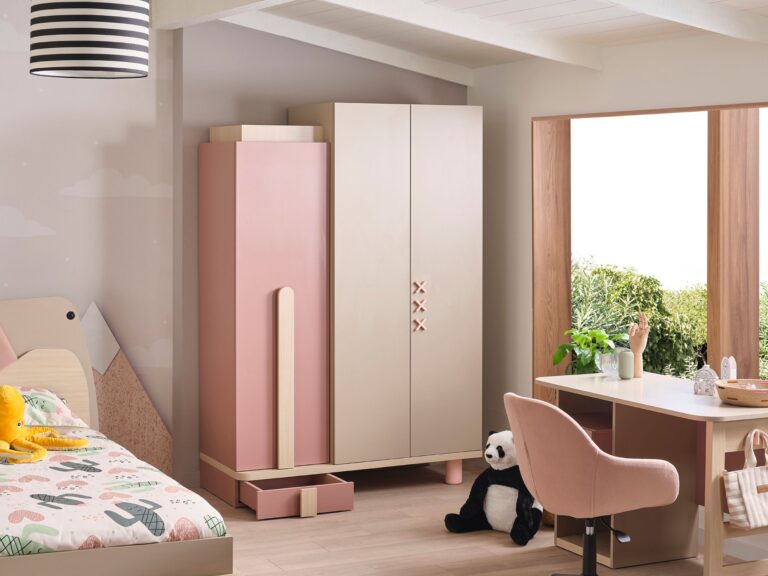
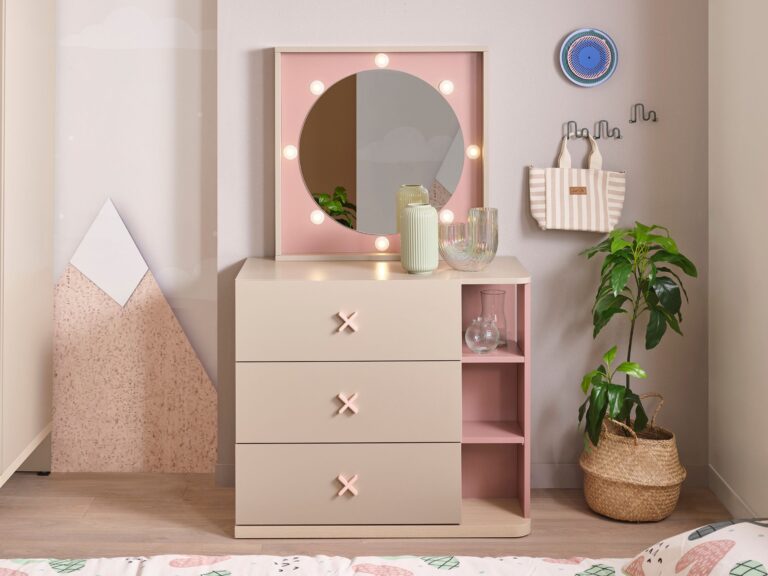
Consider choosing calming colors like soft blues, gentle greens, or warm neutrals. These shades can help reduce anxiety and create a sense of peace, making your child’s space feel safe and inviting.
Avoid bright, bold colors that might overstimulate their senses. Instead, incorporate these calming hues in furniture, rugs, or wall paint to foster an atmosphere of tranquility.
You can also mix in soft accents, like pastel cushions or gentle patterns, to enhance the feeling of belonging.
Adjustable Lighting Options
While choosing the right furniture is essential, adjustable lighting options can greatly enhance your child’s sensory environment. Proper lighting can create a calming atmosphere where your child feels safe and comfortable.
Here are some ideas to reflect upon:
- Dimmer Switches: Allow you to control the brightness, creating a cozy space.
- Color-Changing Bulbs: Offer different hues that can match your child’s mood or activity.
- Soft Night Lights: Provide gentle illumination for nighttime comfort without harsh glare.
- Task Lighting: Guarantee focused light for activities like reading or crafts, helping to reduce visual stress.
Furniture Layout for Sensory-Friendly Spaces
When designing a sensory-friendly space, the layout of furniture plays an essential role in fostering a calming environment. Arranging furniture with intention helps create cozy nooks and clear pathways, allowing your child to feel safe and secure.
| Furniture Arrangement | Emotional Impact |
|---|---|
| Cozy reading corner | Encourages relaxation |
| Open play area | Promotes freedom of movement |
| Soft seating cluster | Fosters connection |
Consider using soft, inviting materials and keeping items organized. You’ll want to guarantee everything is accessible, making your child feel a sense of control. A thoughtfully designed layout not only supports their sensory needs but also creates a space where they can truly belong.
Involving Your Child in the Process
How can you make your child’s input an integral part of designing their sensory-friendly space? Involve them in the process! By inviting your child to share their preferences, you empower them and create a space where they feel truly at home.
Here are some ways to engage them:
- Ask for color preferences: Let them choose colors that calm or excite them.
- Explore textures together: Have them touch different materials to find what feels comfortable.
- Discuss furniture styles: Talk about their favorite designs, whether cozy or modern.
- Incorporate their interests: Include themes or characters they love to make the space personal.
This collaboration not only fosters belonging but also guarantees their sensory needs are met in a way that reflects their unique personality.
Budgeting for Sensory-Sensitive Furniture
As you navigate the process of budgeting for sensory-sensitive furniture, it’s vital to prioritize both quality and comfort.
Start by evaluating your child’s specific sensory needs and how different pieces can meet them. Create a budget that reflects your family’s financial situation while ensuring you don’t compromise on essential features.
Consider investing in versatile items that can grow with your child, maximizing long-term value. Look for sales, discounts, or second-hand options to stretch your budget further.
Resources for Finding the Right Pieces
Finding the right furniture for kids with sensory needs can feel overwhelming, especially with so many options available.
To simplify your search, consider these valuable resources:
- Specialty retailers: Stores that focus on sensory-friendly furniture often provide curated selections tailored to specific needs.
- Online marketplaces: Websites like Etsy or Amazon can connect you with unique, custom pieces designed for sensory sensitivities.
- Parent forums: Engage with other parents online who can share their experiences and recommendations for furniture that worked for them.
- Professional advice: Consult occupational therapists who can guide you to furniture that supports your child’s sensory requirements.
Frequently Asked Questions
Conclusion
By choosing the right furniture for your child’s sensory needs, you’re not just creating a space; you’re crafting a sanctuary where they can thrive. Imagine a cozy nook that feels like a warm hug or a vibrant play area that sparks joy and creativity.
As you begin this journey, remember that each piece you select can be a stepping stone toward comfort and confidence, helping your child navigate the world with ease and grace.
Ready to create a sensory-friendly space your child will love? Explore Kids M&I’s range of thoughtfully designed furniture and accessories.
From soft textures to calming colors, we make it easy to build a cozy, supportive environment that grows with your child. Shop now and transform their space with Kids M&I!