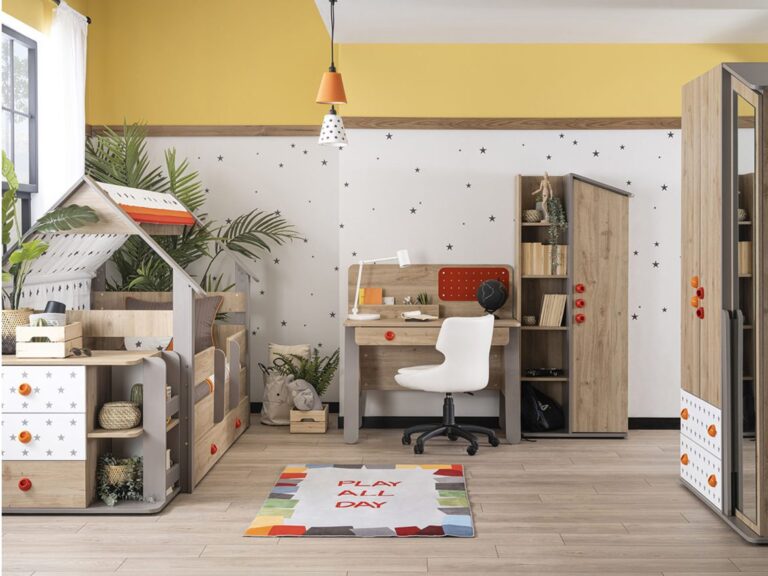
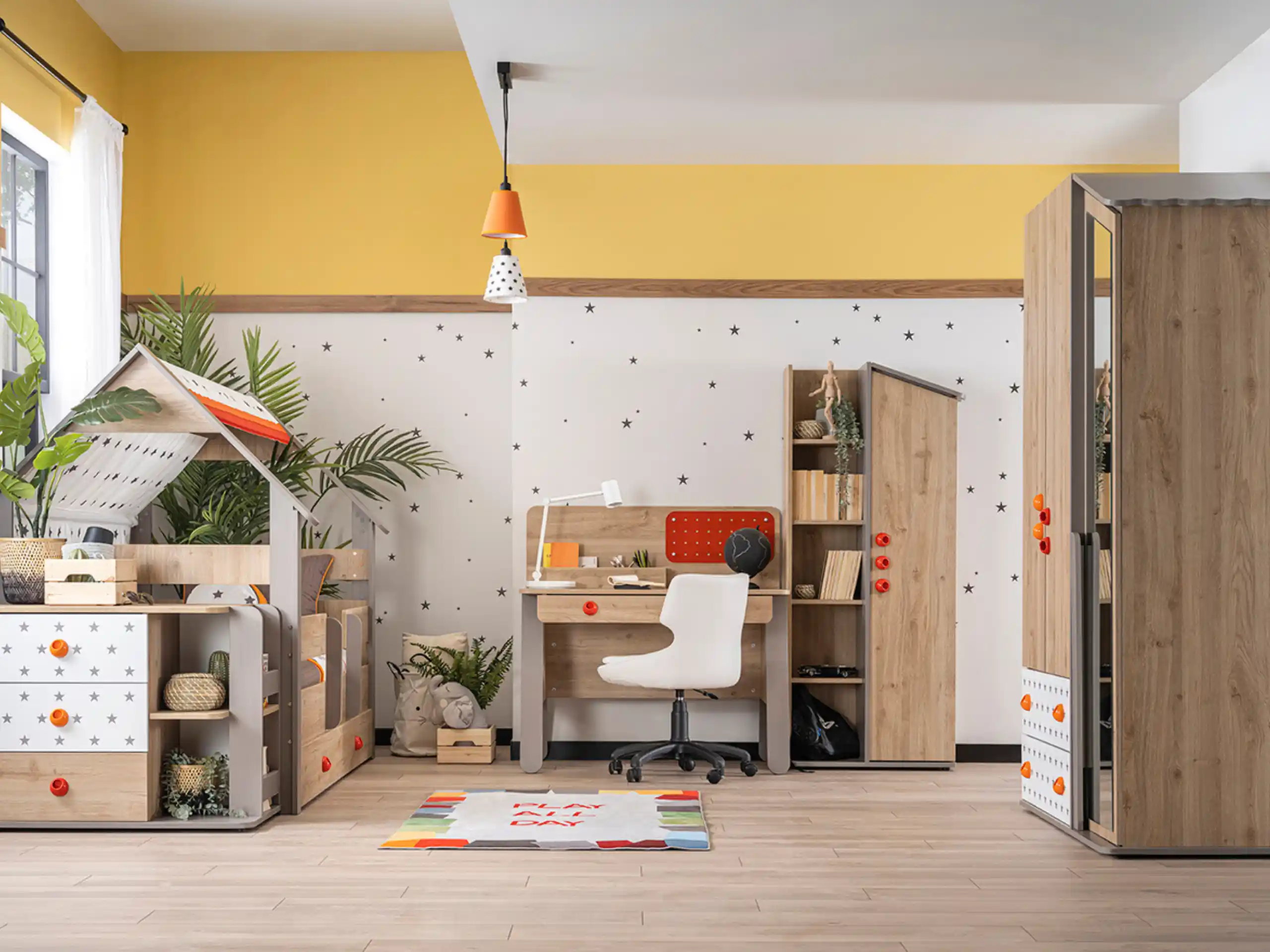
How to Design a Kids Bedroom – Complete Guide
How to design a kids bedroom? Designing a child’s bedroom is about much more than choosing a bed and adding a few decorations. A thoughtfully designed kids bedroom can support better sleep, encourage creativity, and help keep everyday life organised for both children and parents.
For many families, especially those moving into a new home or renovating, the goal is to create a space that feels magical for their child while still fitting beautifully within a modern home. A well-planned room balances style, functionality, and durability, ensuring the space continues to work as your child grows.
Unfortunately, many parents run into common challenges when designing kids rooms. Cheap furniture often breaks within a few years, rooms become cluttered with toys and mismatched storage, and the overall space lacks a cohesive design. These frustrations can turn what should be an exciting project into a stressful one.
The good news is that with the right approach, you can create a bedroom that feels organised, stylish, and built to last. In this complete guide, we’ll walk through everything you need to know about kids bedroom layout, furniture choices, storage solutions, and decorating ideas to help you design a space your child will love.
Step 1 – Start With Your Child’s Needs
The best kids bedrooms are designed around how children actually live, play, and grow. Before choosing furniture or décor, it’s important to think about your child’s age and how they use their space.
Different stages of childhood require different room layouts, furniture choices, and storage solutions.
Designing for Toddlers (Ages 2–4)
Safety and comfort should be the main priorities when designing a bedroom for toddlers.
At this stage, children are developing independence and beginning to explore their surroundings more freely. Furniture should be child-friendly and easy for them to use.
Key design features include:
- Low or toddler-height beds
- Soft rugs and safe materials
- Open toy storage for easy access
- Plenty of floor space for play
Keeping the room simple and uncluttered also helps toddlers feel more relaxed and comfortable in their environment.
Designing for Young Kids (Ages 5–8)
As children start school, their bedroom begins to serve multiple purposes beyond sleep.
It becomes a place for creativity, learning, and independent play.
Parents should consider introducing:
- A small study desk for homework and drawing
- Organised toy storage
- Bookshelves for reading
- Decorative elements that reflect the child’s personality
At this age, children often enjoy themed bedrooms such as princess rooms, adventure themes, or vehicle-inspired beds.
Designing for Older Children (Ages 9–12)
Older children start developing stronger personal preferences for how their rooms look and function.
Their bedrooms should support:
- Homework and studying
- Hobbies and interests
- Personal expression
Key design features may include:
- Larger desks for schoolwork
- More structured storage solutions
- Adjustable lighting for reading
- Decorative elements that reflect their growing personality
The goal is to create a space that still feels fun while becoming more mature and functional.
Step 2 – Plan the Room Layout
Once you understand your child’s needs, the next step is planning the layout of the bedroom. A well-organised room layout makes daily routines easier and helps keep the space tidy.
Creating Zones in a Kids Bedroom
One of the most effective ways to organise a child’s bedroom is by dividing it into functional zones.
These zones allow the room to support different activities throughout the day.
Common bedroom zones include:
Sleep Zone
This area should feel calm and comfortable. The bed should be positioned away from distractions and ideally near natural light.
Study Zone
A desk area provides a dedicated space for homework, reading, and creative activities.
Play Zone
Children benefit from having an open area where they can play, build, and explore their imagination.
Storage Zone
Designated storage areas help keep toys, books, and clothing organised.
Separating these zones makes the room feel more structured and less cluttered.
Maximising Space in Small Bedrooms
Not every home has large bedrooms, but clever design choices can make smaller rooms feel spacious and organised.
Effective solutions include:
- Vertical shelving for books and toys
- Beds with built-in storage drawers
- Multi-functional furniture
- Wall-mounted storage
Using space efficiently ensures that the room remains practical while still feeling comfortable and stylish.
Step 3 – Choose the Right Kids Bedroom Furniture
Furniture forms the foundation of a well-designed kids bedroom. Investing in durable, high-quality pieces ensures the room remains functional and attractive for many years.
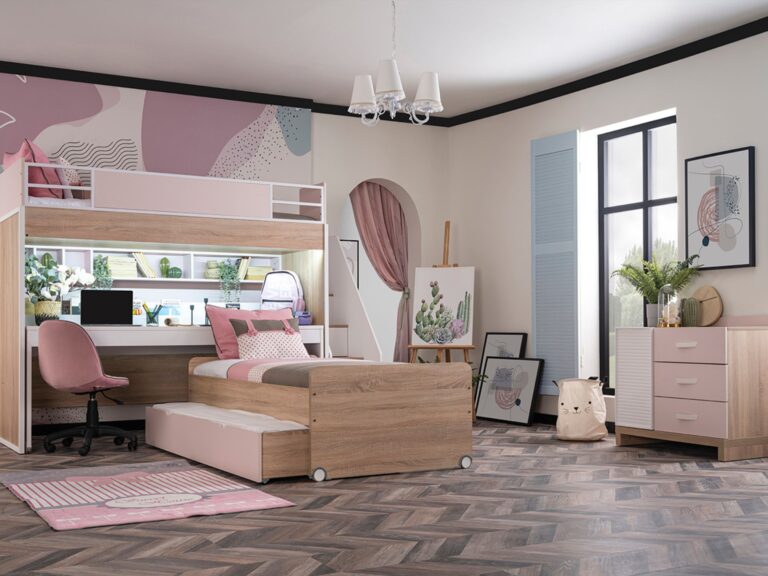
A well-designed bedroom typically includes a combination of sleep, study, and storage furniture.
Choosing the Right Bed
The bed is the centrepiece of any kids bedroom.
When selecting a bed, consider both style and practicality.
Popular options include:
Single Beds
A classic choice that works well for most children and can easily fit within different room layouts.
Themed Beds
Beds designed around fun concepts such as princess castles, racing cars, or adventure themes can make a child’s bedroom feel magical.
Storage Beds
Beds with built-in drawers are particularly useful for storing toys, bedding, or seasonal clothing.
Choosing the Right Study Desk
A dedicated desk helps children develop positive study habits.
The ideal desk should provide:
- Comfortable seating height
- Enough surface space for homework and crafts
- Storage for stationery and books
Desks designed with long-term use in mind can continue supporting children as they grow older.
Smart Storage for Kids Rooms
Storage is one of the most important elements in any children’s bedroom.
Without proper storage solutions, toys and belongings can quickly create clutter.
Useful storage options include:
- Toy storage units
- Wardrobes for clothing
- Shelving for books and decorations
- Under-bed drawers
Well-designed storage keeps the room tidy while making it easy for children to organise their belongings.
Step 4 – Design a Bedroom That Grows With Your Child
Children grow quickly, and their bedrooms should be able to adapt over time.
Designing a flexible room helps parents avoid replacing furniture every few years.
Choose Timeless Furniture
Investing in neutral, well-built furniture allows the bedroom to evolve with your child.
Look for:
- Durable materials
- Classic colours such as white, wood tones, or soft neutrals
- Simple, elegant designs
These pieces can easily be updated with new decorations as your child’s interests change.
Update Decor Instead of Furniture
Instead of replacing large furniture items, update smaller elements such as:
These updates can refresh the look of the room without requiring a complete redesign.
Step 5 – Make the Room Feel Cosy and Magical
A child’s bedroom should feel warm, inviting, and inspiring.
Creating a cosy atmosphere helps children relax, sleep better, and enjoy spending time in their room.
Lighting Ideas for Kids Rooms
Lighting plays an important role in setting the mood of the space.
Consider using multiple types of lighting, including:
- Soft bedside lamps
- Reading lights
- Decorative fairy lights
Layered lighting makes the room feel comfortable and functional.
Textures That Add Comfort
Adding different textures can make a bedroom feel much more inviting.
Examples include:
- Soft rugs
- Cushions and pillows
- Blankets and throws
These elements create warmth while also adding visual interest to the room.
Step 6 – Decorate the Room With Personality
Decorating is where the room truly becomes unique.
Children love spaces that reflect their imagination and interests.
Popular Kids Bedroom Themes
Some of the most popular kids bedroom themes include:
- Princess-themed bedrooms
- Racing car beds and transport themes
- Adventure or jungle-inspired rooms
- Minimal modern kids bedrooms
Choosing a theme can help guide colour choices, décor, and accessories.
Avoiding Clutter
While decorating is fun, it’s important not to overcrowd the space.
Smart ways to reduce clutter include:
- Hidden storage solutions
- Rotating toys periodically
- Using shelves for display
A balanced approach keeps the room organised while still feeling playful.
Essential Items Every Child’s Bedroom Should Have
A well-designed kids bedroom should include a few essential elements that support everyday routines.
These include:
- A comfortable bed
- A study desk
- Storage solutions for toys and clothes
- Good lighting
- A reading corner
- Personal décor that reflects the child’s interests
These essentials help create a space that is both functional and enjoyable.
Common Kids Bedroom Design Mistakes
Even with the best intentions, many parents make a few common mistakes when designing children’s bedrooms.
Some of the most frequent issues include:
Buying furniture children quickly outgrow
Cheap or overly themed furniture may need replacing after only a few years.
Ignoring storage needs
Without proper storage, toys and clothing quickly take over the room.
Choosing style over durability
Kids furniture should be strong enough to handle everyday use.
Overcrowding the room
Too much furniture can make the space feel cramped.
Poor lighting
Insufficient lighting makes studying, reading, and relaxing more difficult.
Avoiding these mistakes helps create a more practical and long-lasting bedroom design.
When to Consider a Full Kids Bedroom Setup
Many families choose to invest in a full bedroom setup rather than buying individual pieces separately.
Complete bedroom solutions offer several advantages:
- A cohesive and professionally designed look
- Furniture that works together seamlessly
- Better use of available space
- Easier planning and installation
For parents who want a beautifully designed and stress-free room transformation, a full bedroom setup can be the ideal solution.
Frequently Asked Questions
Final Thoughts: How to Design a Kids Bedroom
A thoughtfully designed kids bedroom can make a huge difference in your child’s daily life.
By focusing on functionality, durability, and design, parents can create a space that supports learning, creativity, and rest.
Choosing quality furniture, planning a practical layout, and adding personal touches ensures the bedroom grows with your child while remaining stylish and organised.
With the right approach, your child’s bedroom can become a space where imagination thrives and family memories are created.