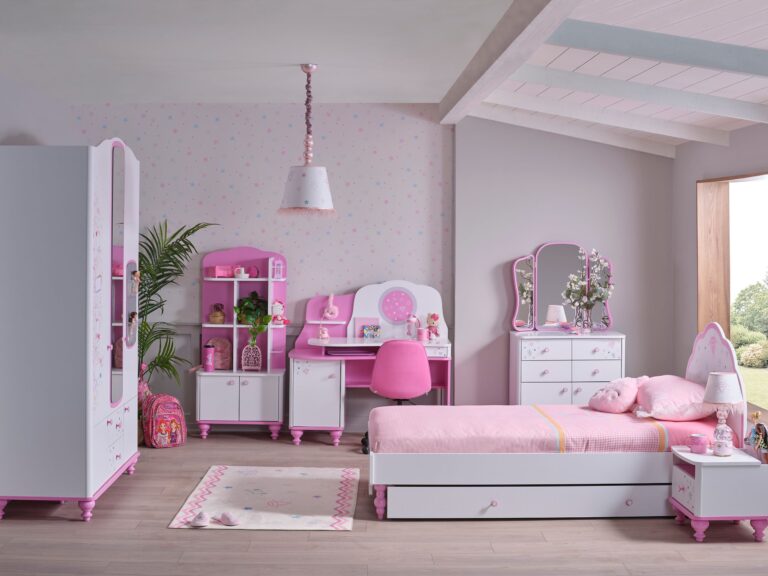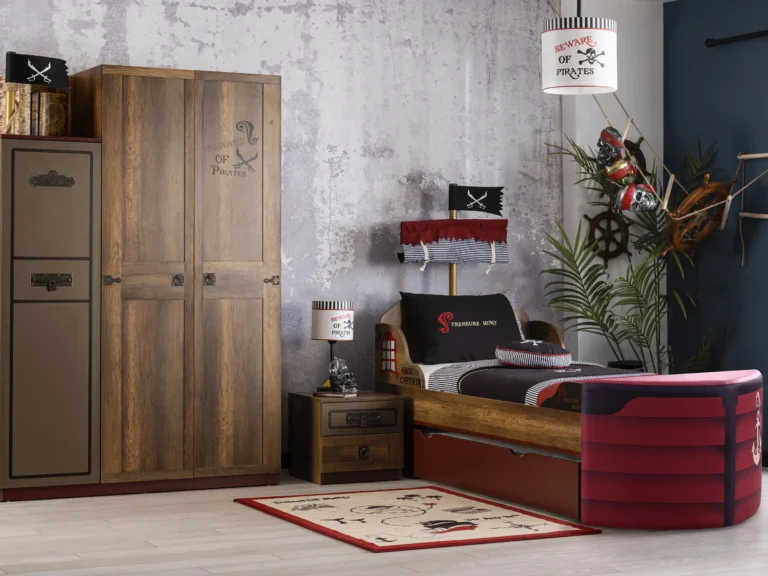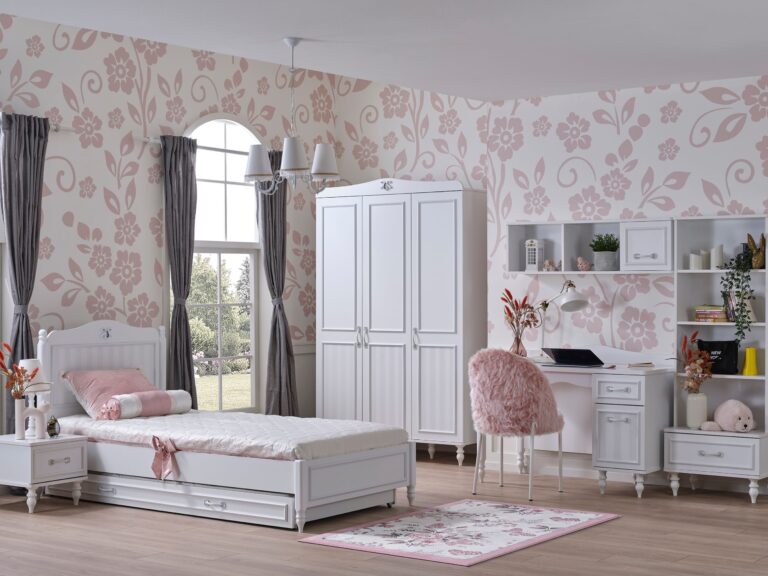
12 Safety Mistakes Parents Make When Designing Kids’ Rooms
When designing your kid’s room, don’t overlook furniture stability; secure dressers and bookshelves to the wall. Avoid sharp-edged furniture to minimize injuries and guarantee windows are safe with proper locks.
Choose non-toxic materials for their health and maintain adequate lighting to avoid accidents. Don’t crowd the room or neglect floor safety; use non-slip rugs.
Finally, remember fire safety regulations. Stay tuned for more insights that’ll help you create a secure environment for your little ones.
Key Takeaways
- Failing to anchor heavy furniture like dressers and bookshelves increases the risk of tipping accidents during playtime.
- Choosing furniture with sharp edges can lead to injuries from falls or bumps, especially in high-traffic areas.
- Neglecting window safety by placing furniture near windows can enable climbing, increasing the risk of falls.
- Overloading electrical outlets and leaving dangling cords can create fire hazards and shock risks for children.
- Not using non-toxic materials in furniture and decorations can expose children to harmful chemicals affecting their health.
Ignoring Furniture Stability
When you set up your child’s room, it’s easy to overlook the stability of furniture, but doing so can lead to serious accidents. You want your little one to feel safe and secure, and that starts with sturdy furniture.
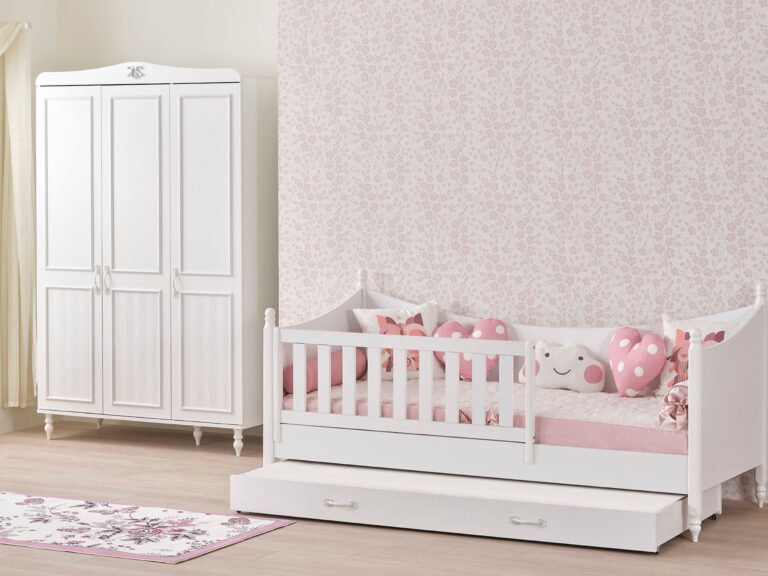
Verify that dressers, bookshelves, and beds are anchored to the wall or have a low center of gravity. This simple step can prevent tipping when your child climbs or plays. Additionally, check for any loose screws or weak joints that could compromise stability.
Choosing Sharp-Edged Furniture
While decorating your child’s room, it’s important to avoid sharp-edged furniture that can pose a risk of injury. Kids are naturally curious and energetic, often running around and playing. You want their space to feel safe and welcoming, not hazardous.
Opt for rounded or cushioned furniture instead; these choices can prevent nasty bumps and bruises. Look for items with soft edges, and consider materials that can absorb impact if your child does get a little too wild.
By making these thoughtful selections, you create a nurturing environment where your child feels secure and free to explore.
Overlooking Window Safety
When it comes to your child’s room, overlooking window safety can lead to serious risks.
You need to guarantee proper window locks are in place, choose safe window treatments, and implement fall prevention strategies.
Taking these steps can help create a secure environment for your little one.
Window Locks Importance
Although parents often focus on securing the main entrances of their homes, overlooking window safety can pose significant risks in kids’ rooms. You mightn’t realize that windows can be a dangerous escape route for curious little ones.
Installing reliable window locks is vital to guarantee your child’s safety. It’s not just about keeping intruders out; it’s also about preventing accidental falls. By securing windows, you create a safer environment where your kids can play without constant worry.
Safe Window Treatments
One in three households with young children might overlook the importance of safe window treatments.
When you decorate your child’s room, consider the risks that traditional window coverings can pose. Long cords from blinds can become tempting playthings, leading to accidental strangulation.
Instead, opt for cordless options or window treatments that come with safety features. Roller shades and plantation shutters are great alternatives that keep your little ones safe while adding style to the space.
You’ll not only enhance the room’s decor but also create a safer environment for your child to explore and grow.
It’s all about making choices that prioritize safety—because every parent wants their home to be a haven for their family.
Fall Prevention Strategies
While you may have taken steps to childproof your home, overlooking window safety can lead to serious fall risks in your child’s room.
Windows are often overlooked, yet they pose a significant danger. Installing window guards or locks can prevent little ones from opening them without your supervision.
Remember to keep furniture away from windows, as curious kids may climb to get a better view. Consider using screens designed to withstand falls, adding an extra layer of protection.
Regularly check the condition of windows and screens, ensuring they’re secure. By prioritizing window safety, you create a nurturing environment that allows your child to explore while keeping them safe.
You’re not just designing a room; you’re fostering a safe space for your child to thrive.
Skipping Non-Toxic Materials
When you’re designing your child’s room, choosing non-toxic materials should be a top priority.
Kids spend a lot of time in their spaces, so it’s important to create a safe environment. By opting for non-toxic options, you’re protecting their health and well-being.
Consider these materials when designing:
- Water-based paints: They emit fewer harmful fumes.
- Natural wood: Avoids toxic adhesives and finishes.
- Organic textiles: Look for certified organic cotton or wool.
- Low-VOC furniture: Reduces indoor air pollution.
- Non-toxic rugs: Choose those made from natural fibers.
Neglecting Adequate Lighting
When it comes to your child’s room, lighting plays an essential role in safety and comfort.
You’ll want to prioritize natural light, choose safe light fixtures, and consider adjustable options to create the perfect atmosphere.
Neglecting these elements can lead to a space that feels cramped and uninviting, impacting both mood and safety.
Importance of Natural Light
Natural light plays an essential role in creating a safe and inviting space for your child, as it not only brightens the room but also positively impacts their mood and well-being.
Ensuring adequate natural light can enhance their creativity and focus while promoting a sense of comfort. Here are a few reasons why you should prioritize natural light in your child’s room:
- Encourages healthy sleep patterns
- Reduces feelings of anxiety and stress
- Enhances concentration and productivity
- Supports overall physical health
- Fosters a connection with nature
Choosing Safe Light Fixtures
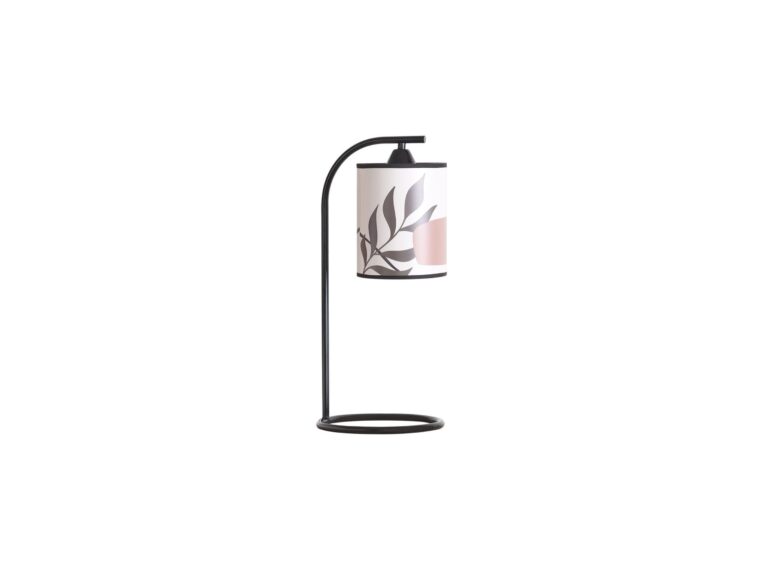
While you may not think about it often, choosing the right light fixtures for your child’s room is essential for their safety and well-being. Poor lighting can lead to accidents, as kids might trip or fall in dimly lit spaces.
Opt for fixtures that provide ample illumination without harsh glare. Avoid dangling cords or sharp edges, as these can pose serious hazards. Additionally, consider energy-efficient bulbs to keep the room bright while saving on electricity bills.
Make sure to place lights in areas where your child plays, reads, or does homework. By selecting safe, effective lighting, you create a welcoming environment that fosters creativity and comfort, making your child feel secure in their space.
Implementing Adjustable Lighting Options
To guarantee your child’s room is both functional and safe, implementing adjustable lighting options is essential.
Good lighting can create a cozy atmosphere while also promoting safety during playtime and bedtime. Here are some ideas to contemplate:
- Dimmable ceiling lights for different activities and moods.
- Task lights at desks or reading nooks to support homework and reading.
- Nightlights in hallways or near beds to prevent trips during the night.
- Smart lighting systems that can be controlled via apps for convenience.
- Color-changing bulbs to help set the right ambiance for relaxation or play.
Forgetting About Electrical Outlets
One in three children experiences an electrical shock before they turn five, highlighting the importance of securing electrical outlets in kids’ rooms. You want your child to feel safe and comfortable, so don’t overlook those outlets!
Covering them with safety plugs is a simple yet effective solution. Make sure to position furniture to block access to outlets, too, keeping curious little hands at bay.
Also, consider using surge protectors for devices your child may use, like lamps or chargers. It’s all about creating a space where your child can play and explore without worry.
Using Heavy Decor Items
When decorating your child’s room, heavy decor items can pose serious safety risks.
You need to take into account both their weight and stability to prevent accidents.
Let’s explore some safe placement strategies to keep your little one safe while creating a fun environment.
Weight and Stability Concerns
While you might want to create a cozy and stylish atmosphere in your child’s room, using heavy decor items can pose significant safety risks.
You want your child to feel secure and at home, so consider these weight and stability concerns:
- Avoid large glass items: They can easily shatter and cause injuries.
- Limit heavy furniture: Items like bulky bookshelves may tip over.
- Steer clear of oversized wall art: It could fall and hurt someone.
- Choose lightweight alternatives: Opt for fabric or plastic decor instead.
- Secure heavy items: Anchor furniture to walls to prevent tipping.
Safe Placement Strategies
To create a safe environment for your child, consider how you place heavy decor items in their room. Start by securing large pieces, like bookshelves or heavy frames, to the walls. This prevents tipping and keeps your little one safe during playtime.
If you’re using decorative items, choose lighter alternatives for shelves and tabletop displays. Always keep heavier items out of reach, preferably on lower surfaces or in storage that’s not easily accessible.
Encourage your child to play safely by discussing the importance of keeping their space tidy. By implementing these strategies, you foster a sense of belonging and security in their personal sanctuary, allowing them to explore and grow without unnecessary risks.
Inadequate Storage Solutions
Inadequate storage solutions can turn a child’s room into a chaotic mess, increasing the risk of accidents and injuries.
When you don’t provide enough space for toys, clothes, and books, it leads to clutter that can be dangerous.
To create a safe and inviting environment, consider these storage ideas:
- Use bins or baskets to organize toys.
- Incorporate shelves for books and games.
- Opt for multi-functional furniture, like beds with drawers.
- Install hooks for bags and coats.
- Create a designated area for art supplies.
Failing to Secure Heavy Items
Children often explore their surroundings with curiosity, which can lead to dangerous situations if heavy items aren’t secured properly.
You’ve likely got bookshelves, dressers, or even large toys that could tip over when your little one decides to climb or pull on them. It’s essential to anchor these heavy pieces to the wall, preventing them from falling and causing serious injury.
Consider using anti-tip straps or brackets designed for this purpose. By taking these simple steps, you’re not just creating a safe space; you’re fostering an environment where your child can freely explore without fear.
After all, a secure room helps nurture their sense of belonging, allowing them to play and grow in a safe haven.
Overcrowding the Room
A cluttered room can pose serious safety risks for your child. Overcrowding creates hazards that can lead to accidents and stress.
It’s crucial to create a space where your child can thrive, play, and feel secure. Here are some tips to prevent overcrowding:
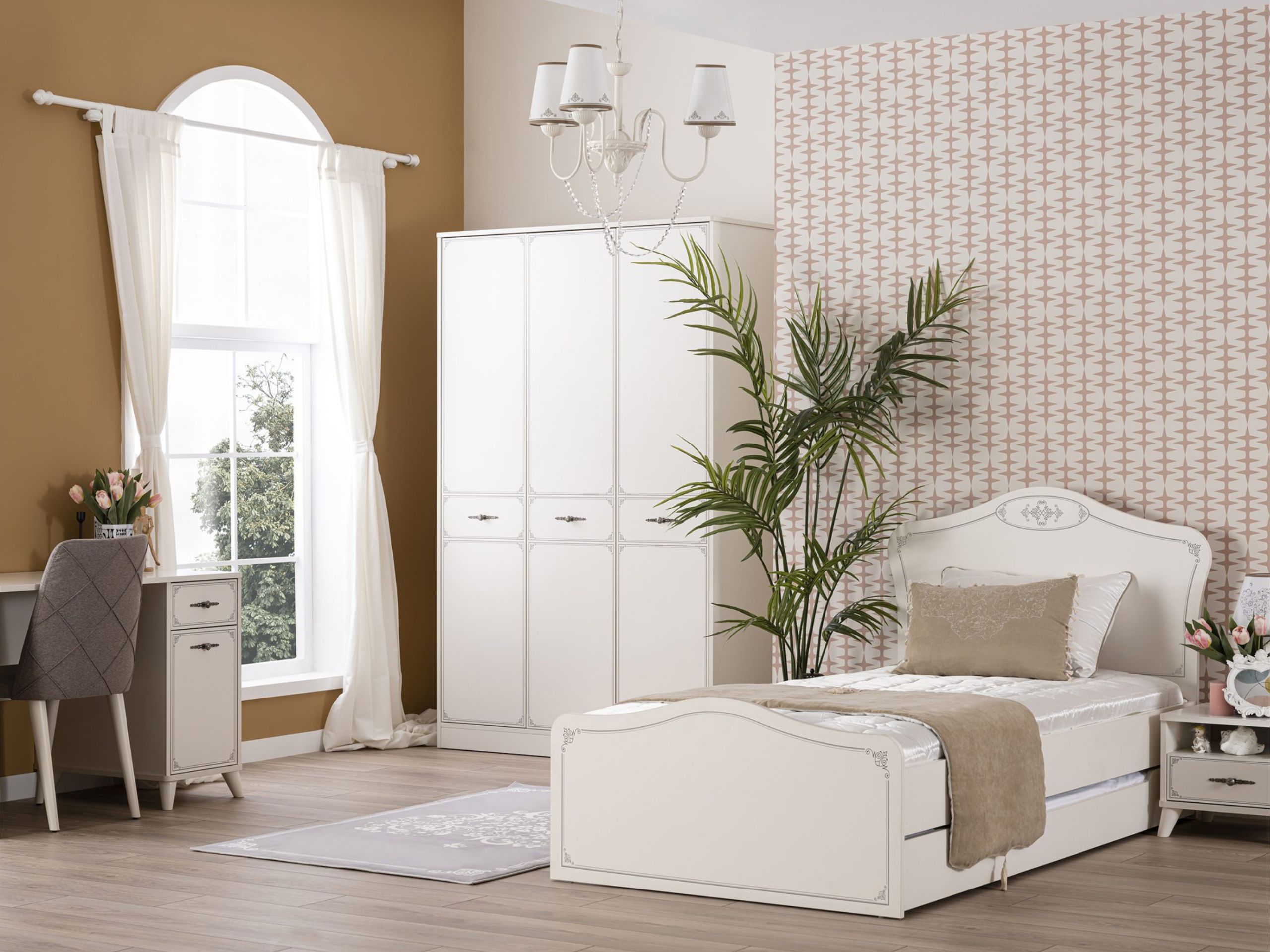
- Limit large furniture to essential pieces like a bed and a desk.
- Use storage solutions like bins and shelves to keep items organized.
- Rotate toys and books, keeping only a few out at a time.
- Encourage your child to regularly declutter and donate items they no longer use.
- Designate specific play areas to maintain open space for movement.
Not Considering Floor Safety
While you may not think about it often, floor safety is essential in creating a secure environment for your child. Slips, trips, and falls can happen quickly, especially in a playful space.
Consider using soft, non-slip rugs or carpets to cushion falls and provide grip. Avoid shiny or slippery flooring materials that can pose hazards during playtime. Additionally, make certain that toys are stored properly; scattered toys can create dangerous obstacles.
If your child is young, keep furniture with sharp edges away from high-traffic areas. By prioritizing floor safety, you’re not just designing a room—you’re nurturing a safe haven where your child can explore freely, play confidently, and grow happily.
Your thoughtful choices make all the difference in fostering a secure space.
Ignoring Fire Safety Regulations
Creating a safe play environment goes beyond just floor safety; fire safety regulations also play a vital role in protecting your child. Ignoring these regulations can lead to dangerous situations.
To guarantee your child’s room is fire-safe, consider these key points:
- Choose flame-resistant materials for curtains, bedding, and furniture.
- Install smoke detectors in and near the room, testing them regularly.
- Keep flammable items like toys or clothes away from heat sources.
- Avoid overloading electrical outlets with too many devices.
- Have an escape plan that your child understands in case of fire.
Frequently Asked Questions
Conclusion
When designing your child’s room, it’s essential to prioritize safety. Did you know that over 3,000 children are injured each year from furniture tip-overs? By ensuring furniture stability and avoiding sharp edges, you can greatly reduce these risks.
Don’t forget about window safety and proper lighting, either. Creating a secure environment not only protects your child but also gives you peace of mind, allowing them to explore and play safely in their space.
Ready to create a safe and stylish room for your little ones? Explore Kids M&I for expert tips, kid-friendly furniture, and smart storage solutions that combine safety with fun. Start transforming your child’s space today!