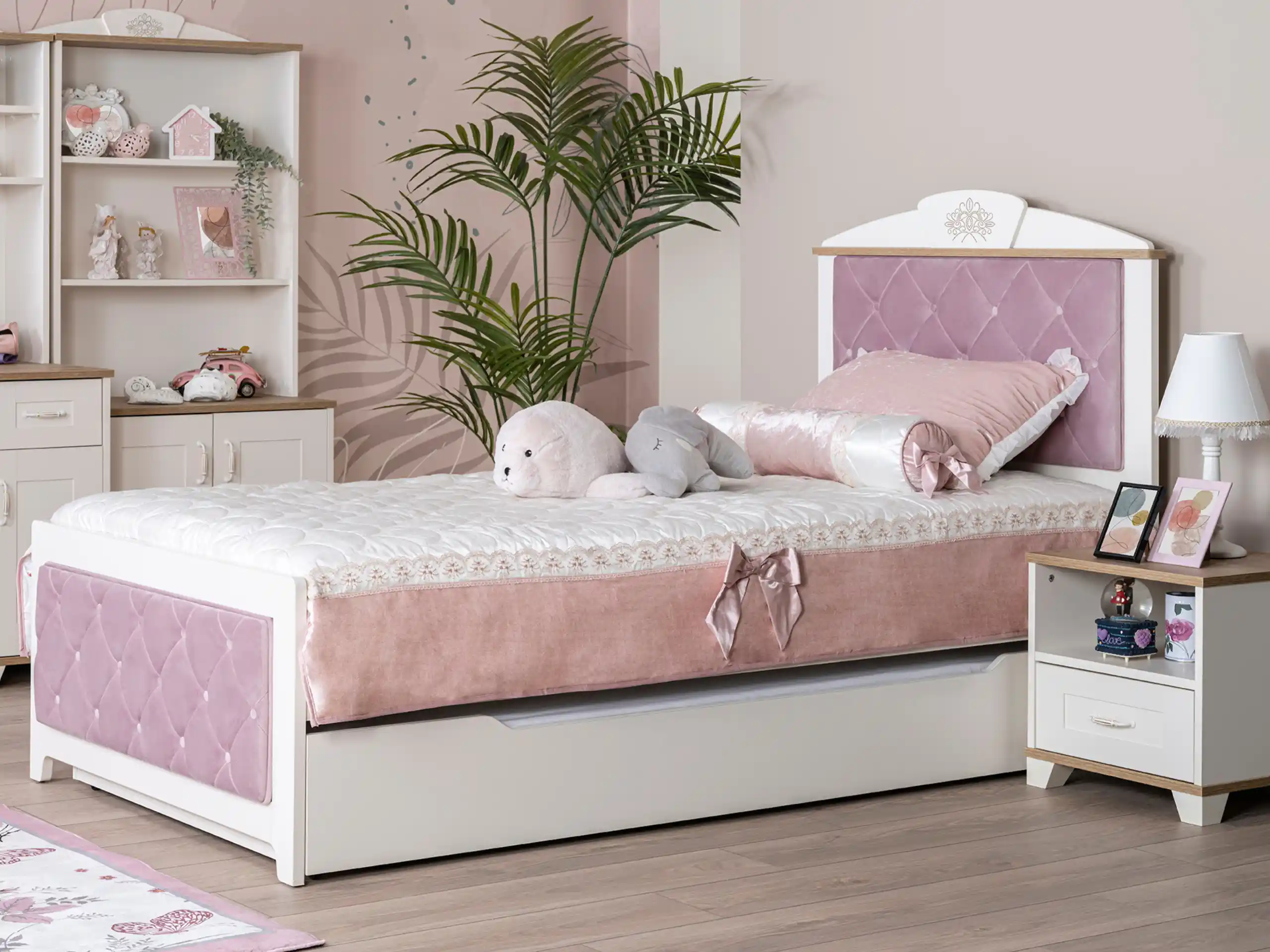
How to Choose the Perfect Mattress for Your Child
Choosing the perfect mattress for your child involves understanding their sleep needs and preferences. Consider the type of mattress—innerspring for support or memory foam for comfort. Make certain the size fits their growth and movement, ideally a twin or full.
Opt for hypoallergenic materials to guarantee a safe sleep environment. Don’t forget a mattress protector for added hygiene and longevity. You’ll find more tips on making sure your child gets the best sleep possible ahead.
Key Takeaways
- Assess your child’s age and sleep needs, ensuring the mattress supports their growth and recommended sleep hours for their developmental stage.
- Choose between innerspring and memory foam mattresses based on your child’s comfort preferences, support requirements, and any specific sensitivities.
- Select an appropriate mattress size, transitioning to a larger size as your child grows, to accommodate movement and promote a personalized sleeping space.
- Opt for hypoallergenic materials and consider a mattress protector to minimize allergens and spills, ensuring a healthier sleep environment.
- Test the mattress in-store for comfort and support, and check return policies for online purchases to ensure satisfaction with your choice.
Understanding Your Child’s Sleep Needs
How well do you understand your child’s sleep needs? It’s vital to recognize that children require different amounts of sleep at various ages. For instance, toddlers need around 12-14 hours, while school-age kids typically need 9-11 hours.
Pay attention to your child’s cues; if they’re irritable or struggling to focus, it might signal they’re not getting enough rest. Creating a bedtime routine can foster better sleep habits, ensuring they feel secure and relaxed.
A comfortable sleep environment, including a supportive mattress, is essential for their growth and development. When you prioritize their sleep needs, you help them thrive not only physically but emotionally too.
Types of Mattresses: Pros and Cons
When choosing a mattress for your child, consider the different types available, like innerspring and memory foam.
Innerspring mattresses offer strong support and breathability, while memory foam provides excellent comfort and pressure relief.
Each option has its own advantages and drawbacks, so it’s important to weigh them carefully.
Innerspring Mattresses Overview
Innerspring mattresses have long been a popular choice for children’s beds, thanks to their sturdy construction and familiar feel. They feature a core of metal coils that provide excellent support for growing bodies.
You’ll love how these mattresses offer a bouncy, responsive surface, which can keep your child comfortable and help them move easily during sleep. Additionally, innerspring models often allow for better airflow, keeping the mattress cooler.
However, keep in mind that they mightn’t contour to the body as well as other types. This can lead to pressure points for some kids.
Memory Foam Benefits
Memory foam mattresses have gained popularity for their unique ability to conform to your child’s body, providing personalized support and comfort.
These mattresses distribute weight evenly, which can help alleviate pressure points, ensuring your little one sleeps soundly through the night. They also absorb motion, so if your child tosses and turns, it won’t disturb anyone else sleeping nearby.
Additionally, memory foam is often hypoallergenic, making it a great choice for kids with allergies or sensitivities.
The durability of these mattresses means they can last through the years, adapting as your child grows.
Importance of Support and Comfort
While selecting a mattress for your child, it’s vital to prioritize both support and comfort, as these factors directly impact their sleep quality and overall well-being.
A well-supported mattress helps maintain proper spinal alignment, which is significant during their growth years. If your child feels comfortable and secure, they’ll fall asleep faster and enjoy deeper, more restorative sleep.
Look for materials that cradle their body while still offering enough firmness to keep them supported. Remember, a cozy sleep environment can foster a sense of safety and belonging, making bedtime a cherished routine rather than a challenge.
Investing in the right mattress not only enhances their sleep but also contributes to happier, healthier days ahead.
Mattress Size: Finding the Right Fit
Choosing the right mattress size for your child is essential, as it guarantees they’ve enough space to grow and move comfortably during sleep.
When selecting a size, consider their age and height. For younger children, a twin or twin XL might be perfect, allowing room for play and rest.
As they grow, you might want to upgrade to a full size, which offers more sleeping space and can last through their teenage years.
Remember, a mattress that fits well encourages better sleep and supports their development.
It also creates a cozy, inviting space they can call their own.
Materials Matter: Choosing Safe and Durable Options
When it comes to selecting a mattress for your child, the materials play a significant role in ensuring their safety and comfort.
You want to choose options that are both durable and non-toxic. Here are four key materials to evaluate:
- Organic Cotton: Soft, breathable, and free from harmful chemicals.
- Natural Latex: Provides excellent support and resists mold and dust mites.
- Wool: Naturally fire-resistant and helps regulate temperature.
- CertiPUR-US Foam: Safe and eco-friendly foam without harmful substances.
Allergies and Sensitivities: What to Consider
How can you guarantee your child’s mattress won’t trigger allergies or sensitivities? Start by choosing materials that are hypoallergenic.
Look for mattresses made from organic cotton, natural latex, or memory foam that’s free from harmful chemicals. These options not only reduce allergen exposure but also provide a safe sleeping environment.
Check for certifications like CertiPUR-US or OEKO-TEX, ensuring the mattress meets strict safety standards.
Additionally, consider a mattress protector that’s waterproof and breathable, as it can keep dust mites and allergens at bay.
Regularly clean bedding and vacuum the mattress to maintain a healthier sleep space.
Budgeting for a Quality Mattress
Finding a quality mattress for your child doesn’t have to break the bank. With a little planning, you can invest in a mattress that promotes healthy sleep without overspending.
Here are four budgeting tips to keep in mind:
- Set a Budget: Determine how much you can realistically spend without compromising essentials.
- Research Sales: Keep an eye out for seasonal sales or discounts from reputable retailers.
- Consider Durability: Invest in a mattress that lasts several years, saving you money in the long run.
- Explore Financing Options: Many stores offer payment plans, making higher-quality mattresses more accessible.
With careful budgeting, you can guarantee your child sleeps well while feeling secure in your financial choices.
Evaluating Firmness Preferences
Choosing the right firmness for your child’s mattress is just as important as sticking to your budget. A mattress that’s too soft or too firm can affect their sleep quality and development. To find the perfect firmness, consider your child’s sleeping position and weight.
Here’s a quick guide to help you decide:
| Firmness Level | Ideal For |
|---|---|
| Soft | Side sleepers, lighter kids |
| Medium | Combination sleepers |
| Firm | Stomach or back sleepers, heavier kids |
Encourage your child to test different mattresses. Their comfort is essential, as a well-rested child is happier and more focused. Together, you can find a mattress that feels just right!
The Role of Mattress Protectors
When you choose a mattress for your child, don’t overlook the importance of a mattress protector.
It not only shields against spills and allergens but also extends the life of the mattress.
There are various types of protectors available, each offering different levels of protection and comfort.
Importance of Protection
While a comfortable mattress is essential for your child’s sleep, protecting that investment is equally important.
A mattress protector offers several key benefits that you shouldn’t overlook:
- Stain Resistance: It shields the mattress from spills and accidents, ensuring it stays clean and fresh.
- Allergen Barrier: Protectors help keep dust mites and allergens at bay, promoting healthier sleep.
- Extended Longevity: By preventing wear and tear, a protector helps your mattress last longer, saving you money in the long run.
- Easy Maintenance: Most protectors are machine washable, making it simple to keep your child’s sleeping environment hygienic.
Investing in a quality mattress protector not only enhances your child’s comfort but also fosters a sense of belonging in a clean and safe sleep space.
Types of Protectors
A quality mattress protector not only keeps your mattress safe but also comes in various types to suit your needs. Choosing the right one can guarantee your child sleeps comfortably while extending the life of their mattress. Here’s a quick breakdown of popular types:
| Type | Features | Best For |
|---|---|---|
| Waterproof | Protects against spills | Young children |
| Hypoallergenic | Reduces allergens | Allergy sufferers |
| Cooling | Regulates temperature | Hot sleepers |
| Quilted | Adds comfort | Extra cushioning |
Selecting the right protector fosters a sense of security for your child, creating a cozy sleep environment that feels just like home. Invest in the right type to keep your child’s mattress in top shape!
Testing Before You Buy: In-Store vs. Online
How can you guarantee that the mattress you choose for your child is the right fit? Testing it out is essential, whether you shop in-store or online. Here’s what to take into account:
- In-Store Testing: You can physically test the mattress. Have your child lie down and see how it feels.
- Comfort Level: Pay attention to support and softness. Your child should feel supported but not stuck.
- Return Policies: Check the return policy before buying online. A good policy allows you to exchange if it doesn’t work out.
- Reviews: Look for honest reviews from other parents. Their experiences can guide you in making a choice your child will love.
Feeling confident in your decision fosters a sense of belonging for you and your child.
Maintenance and Care for Longevity
Proper maintenance and care can greatly extend the life of your child’s mattress. Start by rotating the mattress every three months to guarantee even wear.
Use a mattress protector to guard against spills, stains, and allergens—this simple step can save you from costly replacements. Encourage your child to eat and drink in designated areas away from the bed to minimize accidents.
Regularly vacuum the mattress to remove dust and allergens, keeping their sleep environment healthy. If stains occur, spot-clean with mild soap and water, but avoid soaking the mattress.
Finally, verify the mattress is well-supported on a sturdy frame, preventing sagging. By taking these steps, you’ll create a cozy, inviting space for your child to rest and grow.
Transitioning From Crib to Bed: Timing and Tips
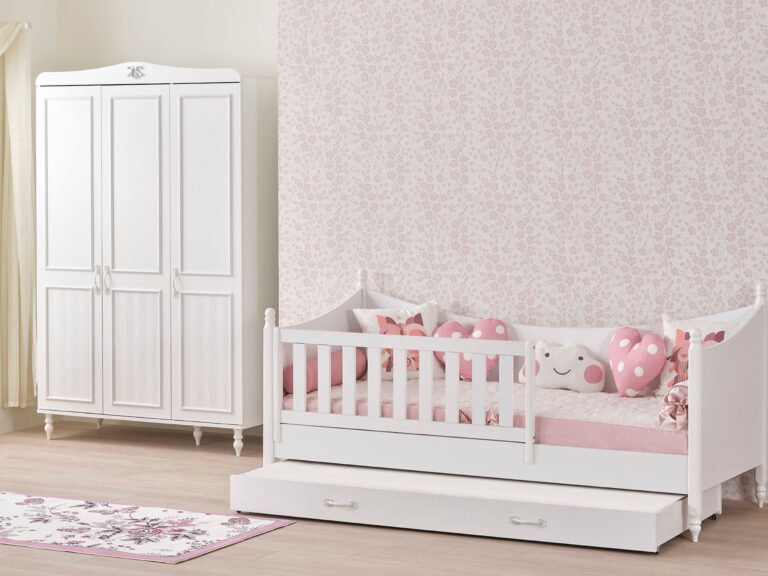
When your child shows signs of readiness to move from crib to bed, it’s essential to choose the right bed that meets their needs.
Safety should always come first during this shift, so consider factors like bed height and guardrails.
Let’s explore how to make this change smooth and successful for both you and your child.
Signs of Readiness
Have you noticed your child climbing out of their crib or expressing a desire for a “big kid” bed? This could be a sign they’re ready to shift. Here are four signs to watch for:
- Climbing Out: If your little one is escaping their crib, it’s time to contemplate a bed for safety.
- Verbalizing Want: If they’re asking for a “big kid” bed, it shows they’re ready for this exciting change.
- Potty Training Success: Mastering potty training often indicates maturity, making them more suited for a bed.
- Consistent Sleep Routine: If they sleep through the night reliably, they may be ready for a new sleep space.
Recognizing these signs helps you support their growth and sense of belonging.
Choosing the Right Bed
Once you’ve recognized your child’s readiness for a bed, the next step is to choose the right one for them. Consider their size and sleeping habits. A twin bed is often a great choice, providing ample space for them to grow while still fitting in their room.
Involve your child in the process; let them pick out sheets or a bed frame they love. This gives them a sense of ownership and belonging. Think about their comfort, too—a mattress that offers support and softness will help them feel secure.
Finally, don’t forget about style! Choosing a bed that reflects their personality will make their new space feel inviting and special, helping them shift smoothly from crib to bed.
Safety Considerations First
Moving from a crib to a bed involves more than just picking a cozy mattress; safety should be your top priority.
You want your child to feel secure and comfortable in their new sleeping space. Here are some key safety considerations:
- Bed Height: Choose a bed low to the ground to prevent falls.
- Guardrails: Install guardrails on both sides to keep your child from rolling out.
- Sturdy Frame: Verify the bed frame is solid and free of sharp edges.
- Non-toxic Materials: Opt for a mattress made from safe, non-toxic materials to promote healthy sleep.
Frequently Asked Questions
Conclusion
Choosing the perfect mattress for your child is like finding a cozy cloud to support their dreams. With the right balance of comfort and safety, you’ll create a serene sleep sanctuary where their imagination can soar.
Remember, it’s not just about the mattress; it’s about nurturing their growth and well-being. So, take your time, explore options, and watch as they drift off into a world of wonder, all thanks to the perfect bed beneath them.
Discover Kids M&I’s range today and give your child the cozy, safe, and stylish sleep space they deserve!