How to Create Study Zones Tailored to Every Learning Style
To create a study zone that caters to different learning styles, consider incorporating elements for visual, auditory, kinesthetic, and reading/writing learners. For visual learners, use colorful decor and charts.
Auditory learners benefit from soundproofing and quality audio resources. Kinesthetic learners need space for movement, like standing desks.
Reading/writing learners thrive in organized areas with labeled materials. Personalizing the space boosts motivation, and mixing in technology can enhance the environment. Discover more tips for a tailored study experience.
Key Takeaways
- Design study spaces with colorful visuals and interactive materials for visual learners to enhance creativity and engagement.
- Incorporate soundproofing and access to audio resources for auditory learners, ensuring a distraction-free and focused environment.
- Provide options for movement, like standing desks and fidget tools, to support kinesthetic learners’ need for physical activity during study sessions.
- Organize text materials with color-coded tabs and mind maps to aid reading/writing learners in understanding and categorizing information.
- Personalize the study zone with inspiring decor and comfortable furniture to create a welcoming atmosphere that supports all learning styles.
Understanding Different Learning Styles
When you immerse yourself in the world of education, it’s essential to recognize that not everyone learns the same way. Understanding different learning styles can help you connect with others and create an inclusive environment.
Some people grasp concepts better through auditory means, while others thrive on hands-on experiences. You might find that visual learners appreciate diagrams, charts, or videos to make sense of information.
Knowing these distinctions allows you to adapt your approach, making discussions richer and more engaging for everyone involved. Embracing these differences fosters a sense of belonging, as you create a space where all learning preferences are valued.
Visual Learners: Designing a Stimulating Environment
If you’re a visual learner, creating a colorful and engaging study space can make all the difference.
Think about adding vibrant wall decor, using visual organization tools, and incorporating interactive learning materials to keep your mind stimulated.
These elements can transform your environment into a dynamic setting that enhances your learning experience.
Colorful Wall Decor
A vibrant study space can greatly enhance your learning experience, especially if you’re a visual learner. Surrounding yourself with colorful wall decor can spark creativity and motivation.
Think about adding posters of your favorite quotes or images that inspire you. Bright colors like yellows and blues can energize your space, while greens can create a calming atmosphere.
Consider incorporating a bulletin board where you can display your accomplishments or goals. This not only personalizes your area but also serves as a daily reminder of what you’re working towards.
You’ll feel more connected to your study zone when it reflects your personality. So, let your walls tell your story and create an environment that makes you excited to learn!
Visual Organization Tools
Visual organization tools play an essential role in creating a stimulating environment for visual learners. You can enhance your study space by incorporating colorful charts, mind maps, and labeled bins. These tools help you see connections and retain information better.
Consider using whiteboards or corkboards to display important notes and reminders; they’ll keep your goals visual and front of mind. You might also try organizing your materials with color-coded folders to make retrieval easier.
Adding visual aids like infographics or flashcards can spark your creativity and improve comprehension. By creating a visually organized space, you’ll not only foster your learning but also feel more connected to your studies, making it a welcoming environment that inspires you to thrive.
Interactive Learning Materials
Building on the foundation of visual organization, incorporating interactive learning materials can further enhance your study environment.
These materials, like colorful charts, engaging videos, or hands-on activities, can really bring concepts to life. You’ll find that using tools such as interactive apps or educational games not only makes learning more fun but also helps you connect with the material on a deeper level.
Consider grouping these materials in your space, creating a dynamic area that invites exploration and creativity. Surround yourself with resources that reflect your interests and spark curiosity.
When you actively engage with your studies, you’re not just absorbing information; you’re building a community of knowledge that you can share with others, fostering a sense of belonging.
Auditory Learners: Creating a Sound-Friendly Space
If you’re an auditory learner, creating a sound-friendly study space is essential for your success.
Consider incorporating soundproofing techniques to minimize distractions, while also ensuring easy access to audio resources like podcasts and audiobooks.
Soundproofing Techniques
Although creating a sound-friendly space might seem challenging, incorporating effective soundproofing techniques can greatly enhance the learning experience for auditory learners.
You can start by using thick curtains or acoustic panels to absorb sound. Consider adding rugs to reduce echo, and place bookshelves filled with books against walls for extra insulation.
Here’s a quick guide to soundproofing options:
| Technique | Benefits | Cost Estimate |
|---|---|---|
| Acoustic Panels | Absorbs sound, reduces echo | $50-$150 |
| Heavy Curtains | Blocks outside noise | $30-$100 |
| Area Rugs | Softens sound, adds comfort | $20-$200 |
| Bookshelves | Insulates walls, organizes space | $50-$300 |
These techniques can help create an inviting study zone where you feel at ease while learning.
Audio Resources Access
Accessing quality audio resources is essential for auditory learners who thrive on sound to reinforce their understanding.
To create a sound-friendly space, consider incorporating podcasts, audiobooks, and educational videos that resonate with your subjects. Platforms like Audible or YouTube offer endless options tailored to your interests.
You might also want to use background music to enhance focus, but choose instrumental tracks to minimize distractions.
Don’t forget to engage with study groups or online forums where discussions can deepen your learning experience.
Kinesthetic Learners: Incorporating Movement Into Study Areas
Since kinesthetic learners thrive on movement and hands-on experiences, creating a study area that accommodates their need for physical activity is essential.
Consider incorporating elements that invite movement, like standing desks or balance balls. You can also integrate study tools that encourage engagement, such as:
| Activity | Tool | Purpose |
|---|---|---|
| Walking | Treadmill desk | Reading or brainstorming |
| Fidgeting | Stress balls | Stress relief and focus |
| Building | LEGO or modeling clay | Visualizing concepts |
| Role-playing | Costumes/props | Engaging with material creatively |
Reading/Writing Learners: Organizing a Text-Centric Zone
To create an effective study zone for reading and writing learners, you need to focus on text organization and the ideal reading environment.
Start by arranging your materials in a way that makes sense to you, whether that’s by subject, theme, or type of resource.
A comfortable, well-lit space will help you engage with your texts more deeply and enhance your learning experience.
Text Organization Strategies
When you create a text-centric zone for reading and writing learners, you set the stage for effective organization and comprehension.
Start by using color-coded tabs or highlighters to categorize different themes or topics in your materials. This visual cue helps you locate information quickly.
Consider using mind maps or outlines to structure your thoughts before diving into writing. These tools clarify relationships between ideas and make your writing process smoother.
Keep a dedicated notebook for jotting down key concepts and reflections, allowing you to revisit and build on your ideas.
Finally, group similar texts together on your shelves or digital platforms, making it easier to find resources that resonate with your learning style.
Embrace these strategies, and you’ll feel more connected to your studies.
Ideal Reading Environment
Creating the ideal reading environment for reading and writing learners can greatly enhance focus and comprehension.
To cultivate a space that feels welcoming and encourages productivity, consider these three essential elements:
- Comfortable Seating: Choose a chair that supports good posture, allowing you to sink into your reading without distractions.
- Good Lighting: Guarantee your space is well-lit, preferably with natural light, to reduce eye strain and create a warm atmosphere.
- Minimized Distractions: Keep your area tidy and free from clutter. Limit noise and digital distractions to help maintain your concentration.
The Importance of Lighting in Your Study Space
Since effective study sessions require focus and clarity, the right lighting in your study space plays an essential role.
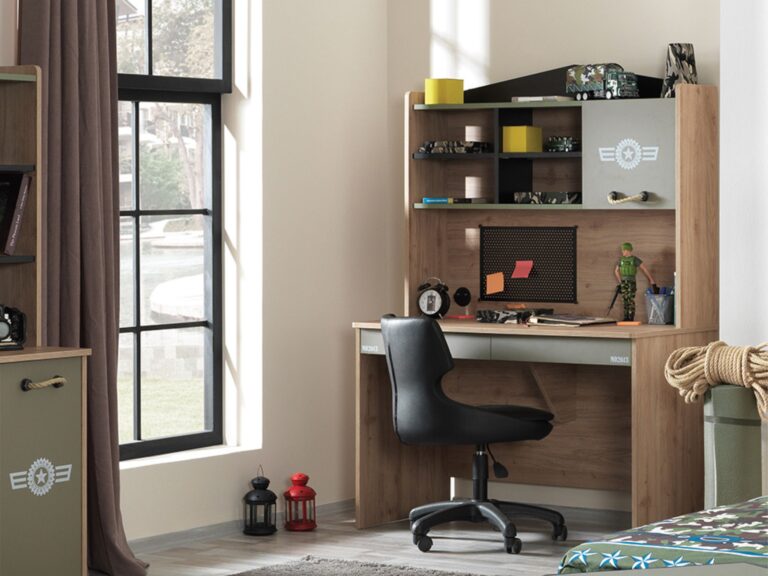
Good lighting can reduce eye strain, enhance your mood, and keep you alert. Natural light is ideal, so try to position your desk near a window if possible. If that’s not an option, choose warm, adjustable LED lamps that mimic daylight.
Avoid harsh, flickering lights, as they can make you feel fatigued and distracted. Remember, a well-lit space not only helps you concentrate better but also fosters a welcoming atmosphere.
Think of your study zone as a personal oasis where you can thrive. By paying attention to your lighting, you create a space that truly supports your learning style and needs.
Optimizing Comfort: Furniture Choices for Productivity
To maximize productivity in your study zone, choosing the right furniture is essential. Comfortable and supportive furniture can greatly enhance your focus and efficiency.
Here are three key pieces to evaluate:
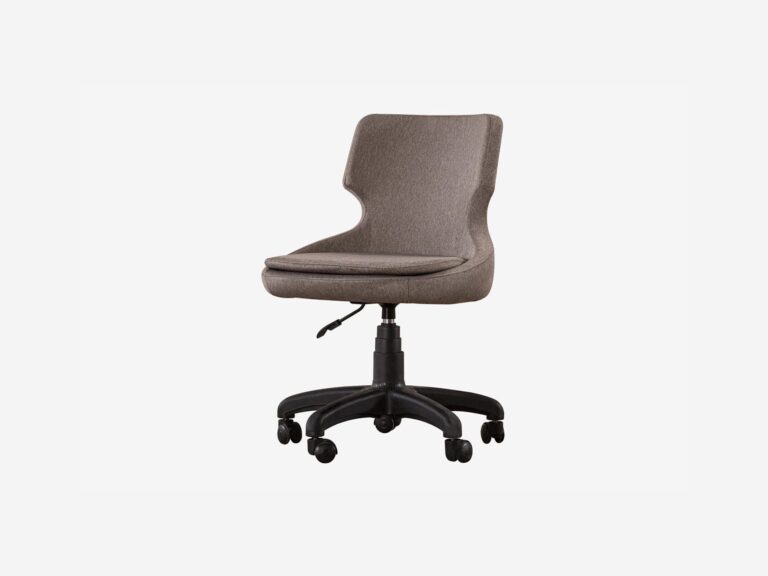
- Ergonomic Chair: Invest in a chair that supports your back. It’ll help you maintain good posture and reduce fatigue during long study sessions.
- Adjustable Desk: A desk that allows you to switch between sitting and standing can keep your energy levels up and reduce monotony.
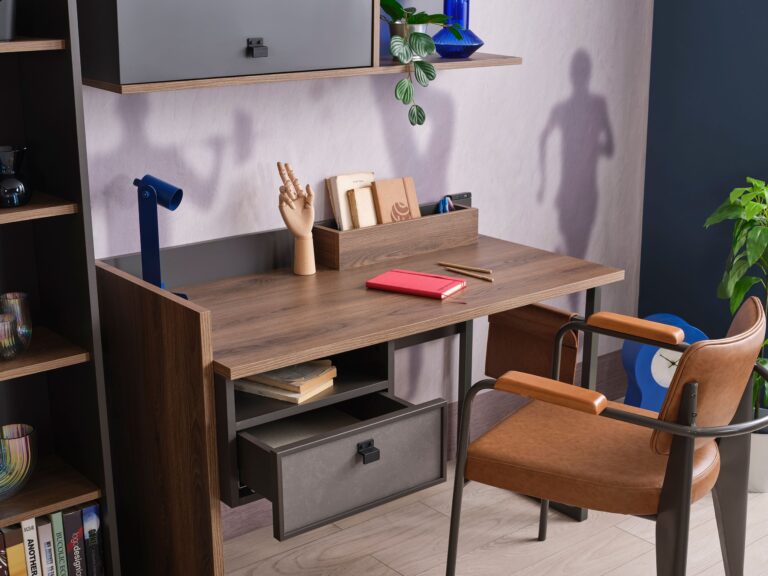
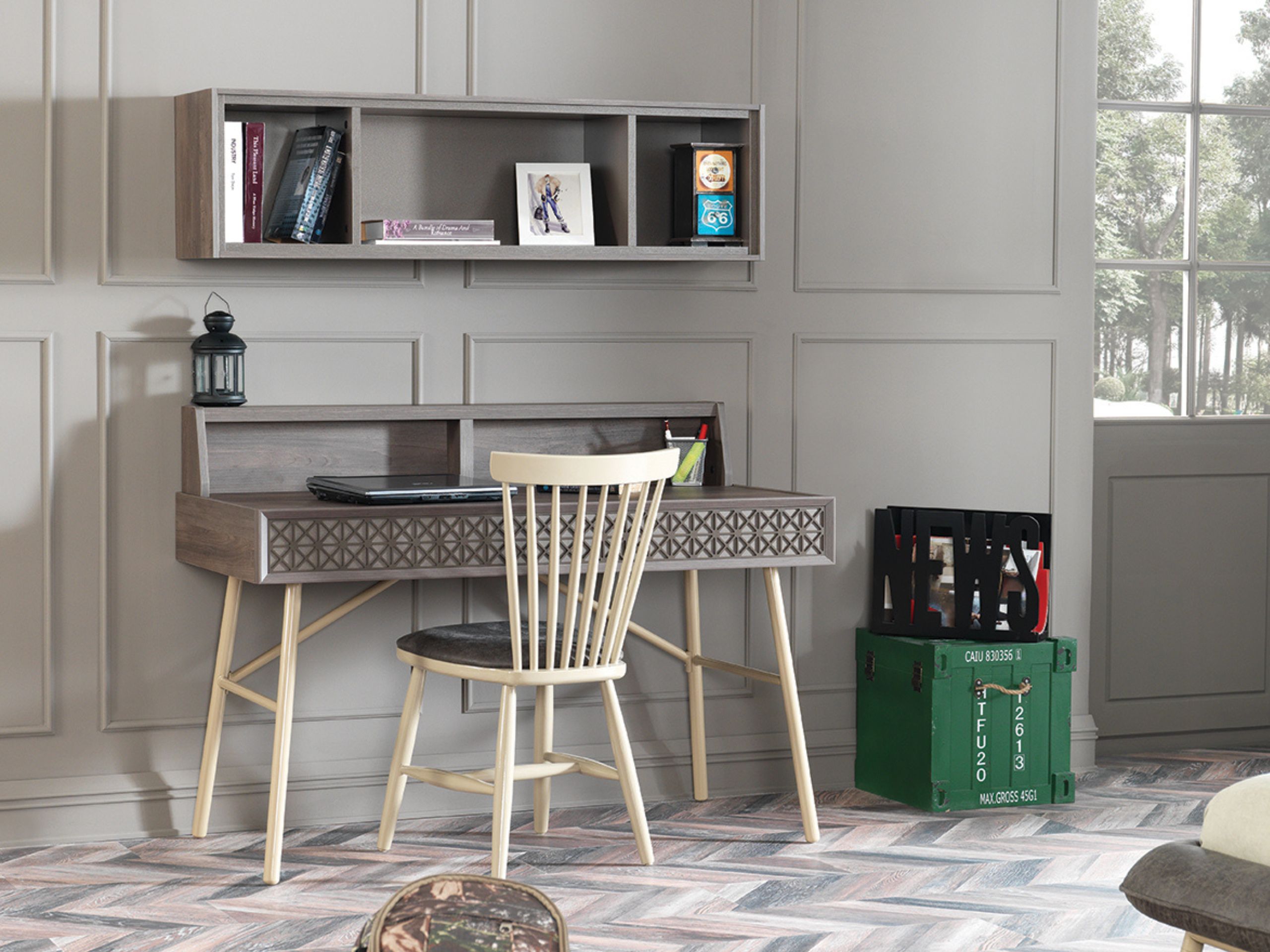
- Storage Solutions: Use shelves or drawers to keep your materials organized. This way, you can easily find what you need, minimizing frustration and maximizing concentration.
Minimizing Distractions: Tips for a Focused Environment
A well-furnished study zone lays the groundwork for productivity, but minimizing distractions is just as important for maintaining focus. Start by decluttering your space; a tidy area helps clear your mind.
Consider using noise-canceling headphones to block out ambient sounds or play gentle background music that keeps you relaxed. Turn off notifications on your devices, so you’re not tempted to check your phone every few minutes.
Set specific study times and communicate these to those around you, so they know you need undisturbed time. Finally, establish a routine that signals it’s study time—this helps train your mind to focus.
Personalizing Your Study Zone for Motivation
While you might’ve the essentials for studying, personalizing your study zone can considerably boost your motivation.
When you create a space that reflects who you are, you’ll feel more connected and inspired to learn.
Here are three ways to make your study zone uniquely yours:
- Incorporate Personal Decor: Add photos, artwork, or mementos that spark joy and remind you of your goals.
- Choose Your Colors Wisely: Select colors that energize or calm you; vibrant hues can uplift, while softer tones can help you focus.
- Create a Comfort Corner: Designate a cozy spot with cushions or a blanket, where you can take breaks and recharge.
Utilizing Technology to Enhance Learning Environments
Personalizing your study zone is just one way to enhance your learning experience. Integrating technology can further transform your environment into a vibrant learning hub.
Consider using apps that cater to your unique learning style, whether you’re a visual learner who benefits from videos or an auditory learner who thrives on podcasts. Tools like digital planners can help you organize your tasks and track progress, creating a sense of accomplishment.
Explore platforms that offer interactive quizzes or collaborative projects, fostering a sense of community with peers. Don’t forget about noise-canceling headphones to minimize distractions.
The Role of Color Psychology in Study Spaces
How does the color of your study space impact your focus and motivation? The hues surrounding you can greatly influence your mood and productivity.
By consciously choosing colors, you can create an environment that enhances your learning experience. Here are three colors to contemplate:
- Blue: Promotes calmness and focus, making it ideal for studying.
- Yellow: Sparks creativity and positivity, perfect for brainstorming sessions.
- Green: Encourages balance and reduces eye strain, great for long study hours.
Incorporating these colors into your study zone can help you feel more engaged and motivated.
Experimenting and Adjusting Your Study Zone Over Time
As you dive deeper into your studies, it’s essential to experiment and adjust your study zone over time to find what truly works for you.
Start by trying different setups: change your desk’s location, switch up your chair, or adjust lighting to see what feels comfortable. You might find that adding plants or personal touches makes the space feel more inviting.
Pay attention to how these changes affect your focus and motivation. Don’t hesitate to adapt your study zone based on your current needs—some days might call for silence, while others might benefit from a bit of background noise.
Frequently Asked Questions
Conclusion
As you begin the journey of crafting your ideal study zone, remember that it’s a canvas awaiting your unique touch. Embrace the dance of colors, sounds, and movement that harmonize with your learning style.
Let your space breathe inspiration and motivation, transforming it into a sanctuary of knowledge. Like a garden nurtured with care, your study area will flourish with creativity and focus, guiding you through the winding paths of discovery and understanding.
Bring your study zone to life with Kids M&I—explore their stylish, functional furniture and make learning inspiring for your little ones today!