Psychology of Kids’ Room Design: Colours, Shapes & Emotions
The colors, shapes, and layout of your child’s room greatly impact their emotions and behavior. Bright hues like yellows and oranges energize and spark creativity, while calming blues and greens create a tranquil space.
Thoughtful shapes and layouts promote safety and security. Personalization and flexible spaces foster growth and engagement. Incorporating patterns can bring a sense of joy and stability. Discover how these design elements can transform your child’s environment into a nurturing haven.
Key Takeaways
- Bright colors energize and inspire creativity, while blues and greens promote calmness and focus in children’s rooms.
- Thoughtful layout enhances emotional well-being, providing safety and encouraging independence in kids.
- Personalizing spaces with favorite colors and themes fosters ownership, confidence, and a sense of belonging.
- Flexible, multi-functional furniture supports various activities, promoting creativity and seamless transitions between play and study.
- Patterns can soothe or inspire; soft designs create calm, while bold shapes spark creativity and personal connection in children’s spaces.
The Impact of Color on Mood and Behavior
When you think about designing a kid’s room, consider how color can shape their mood and behavior. Bright colors like yellow and orange can energize and inspire creativity, making them perfect for play areas.
Blues and greens promote calmness and focus, ideal for study or rest zones. Think about what feelings you want to evoke—colors can encourage social interaction or provide a comforting retreat.
Remember, it’s not just about aesthetics; it’s about creating a space where your child feels understood and safe. Involve them in choosing colors they love; it fosters a sense of belonging.
Calming Colors for a Peaceful Environment
When designing a calming kids’ room, consider using soft neutrals and pastels to create a serene atmosphere.
Nature-inspired color schemes can also help bring a sense of tranquility and connection to the outdoors.
Choosing the right colors not only enhances the space but also promotes relaxation and focus.
Soft Neutrals and Pastels
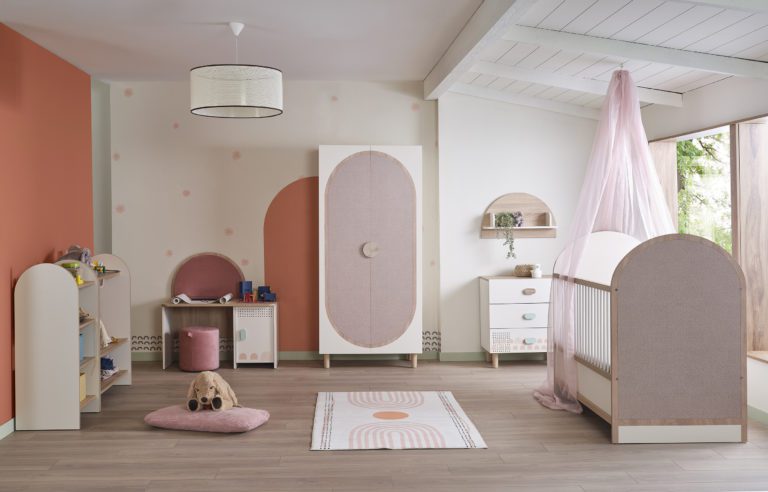
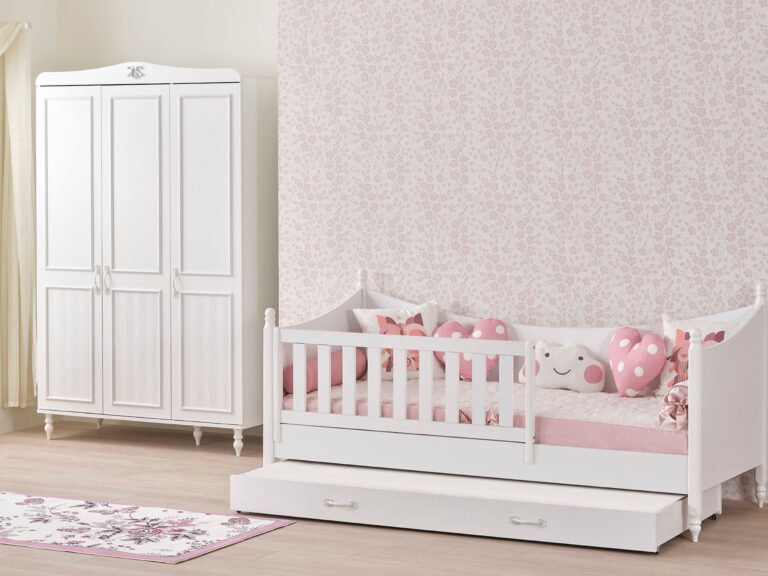
Choosing soft neutrals and pastels for your child’s room can create a calming atmosphere that promotes relaxation and focus. These gentle hues, like soft grays, creamy whites, and pale pinks, invite a sense of serenity, making the space feel safe and welcoming.
When you incorporate these colors, you’re not just decorating; you’re nurturing an environment where your child can thrive emotionally and mentally.
Pastels encourage creativity without overwhelming the senses, allowing your little one to express themselves freely. You might add touches of color through accessories like pillows or artwork, while keeping the walls soothing.
This balance fosters a sense of belonging, making your child’s room a comforting sanctuary they’ll love to retreat to after a busy day.
Nature-Inspired Color Schemes
Incorporating nature-inspired color schemes into your child’s room can transform the space into a serene retreat. Imagine soft greens, warm earth tones, and calming blues that echo the outdoors.
These colors not only create a peaceful environment but also foster a sense of belonging and connection to nature. You might choose a gentle sage green for the walls, complemented by earthy browns in furniture and soft, sky-blue accents.
This palette invites tranquility, encouraging your child to unwind and feel at home. Adding natural elements, like wooden toys or plants, enhances this theme further, making the room a nurturing sanctuary.
With nature-inspired hues, you’re not just decorating; you’re creating a comforting space for your child to grow and thrive.
Energizing Hues to Inspire Creativity
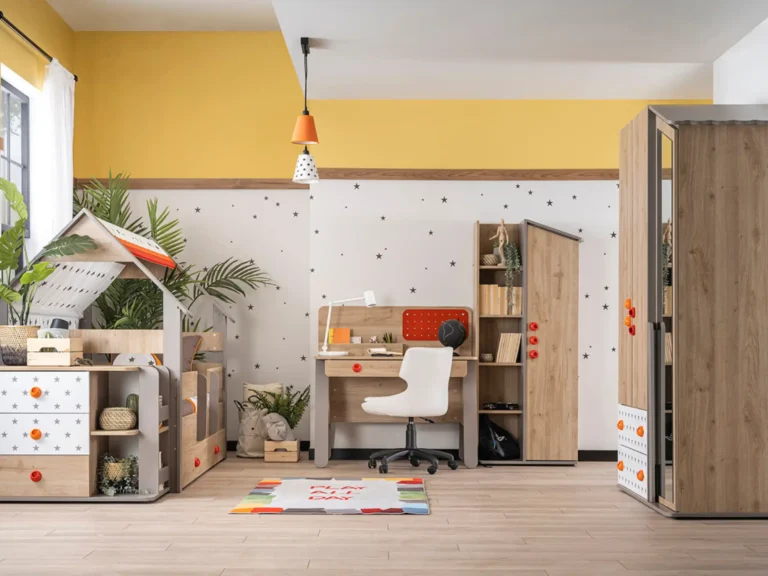
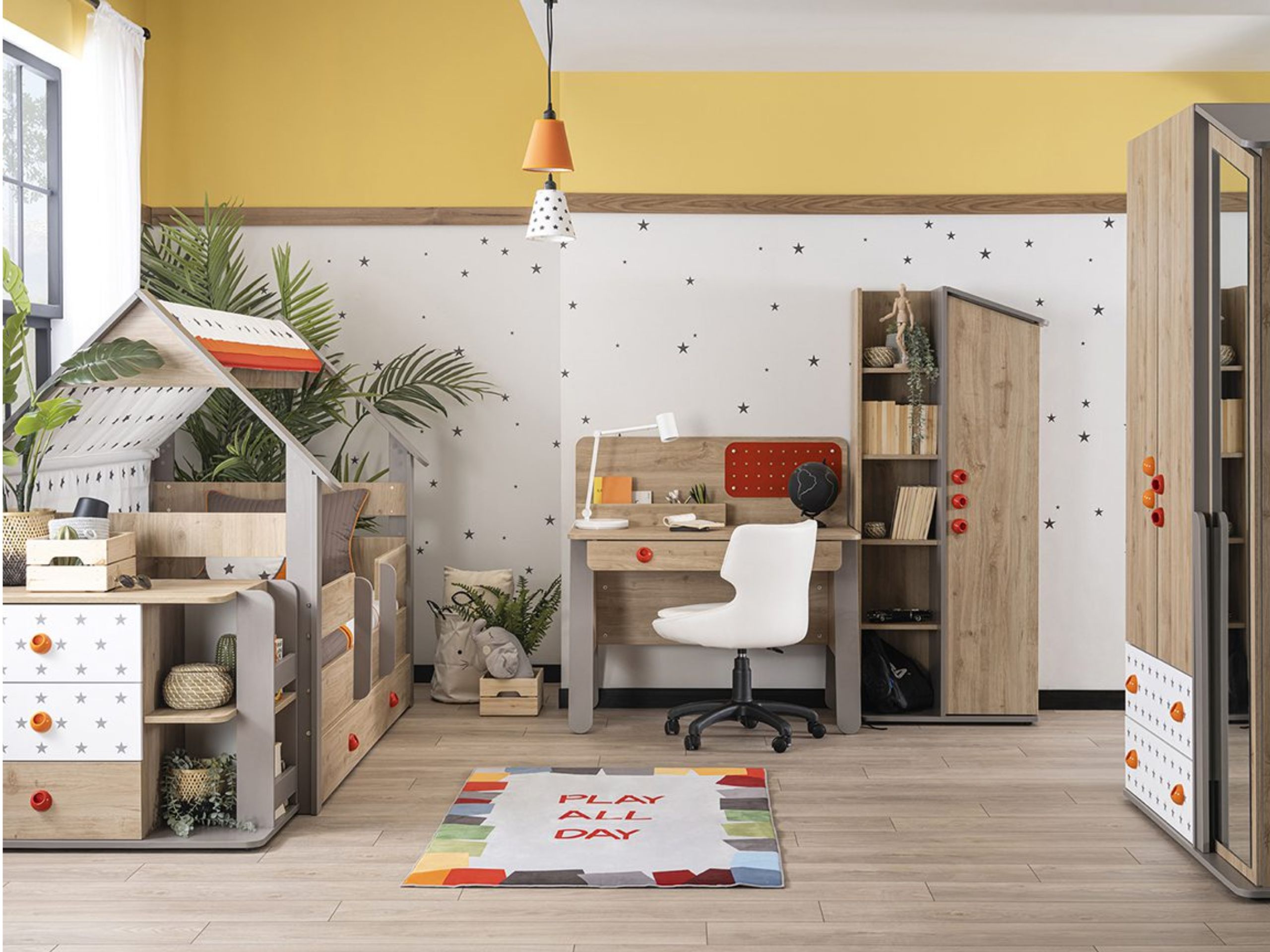
Energizing hues can transform a child’s room into a vibrant space that sparks creativity and imagination. Think of bright yellows, bold oranges, and lively greens; these colors create an atmosphere where ideas flourish.
When you choose these shades, you’re not just decorating; you’re crafting a haven that encourages your child to explore and express themselves.
Imagine your little one surrounded by walls painted in cheerful colors, igniting their passion for art or storytelling. The right hues can uplift spirits, making the room feel inviting and full of possibility.
The Role of Shapes in Room Design
Shapes play an essential role in room design, especially in a child’s space where imagination knows no bounds. They influence how your child feels and interacts with their environment.
Soft, rounded shapes can create a sense of safety and comfort, while angular shapes may inspire energy and creativity. By incorporating various shapes—like circles, squares, and triangles—you can spark your child’s curiosity and encourage exploration.
Consider playful patterns on rugs, walls, or furniture that invite imaginative play. You want your child’s room to be a place where they feel a sense of belonging and joy.
Safe and Nurturing Spaces: The Psychology of Layout
When you design your child’s room, the layout considerably impacts their emotional well-being and sense of security. A thoughtful arrangement fosters a nurturing environment where they can explore, play, and relax.
Position the bed in a way that offers a clear view of the door without placing it directly in line with it; this allows them to feel safe and in control. Create cozy corners with soft seating, encouraging quiet moments for reading or reflection.
Keep pathways clear to promote easy movement and reduce clutter, which can overwhelm. By ensuring that the layout supports both independence and comfort, you help your child feel valued and understood, laying the foundation for their emotional growth and sense of belonging.
Personalization: Reflecting Individuality in Design
While creating a kid’s room, personalizing the space is essential to reflect their unique interests and personality. Think about what makes your child light up—favorite colors, hobbies, or characters. Incorporate these elements through wall art, bedding, or decorative items. Let them help choose the decor; this involvement fosters a sense of ownership and belonging.
Additionally, consider their personality traits. If they’re adventurous, maybe a themed explorer corner would spark joy. For the little artist, a dedicated creativity zone can inspire their imagination.
Personalization not only makes the room feel special but also helps your child feel valued and understood. When they see their individuality in their space, it boosts their confidence and sense of self.
The Power of Natural Light and Its Effects
Natural light plays an essential role in designing a kid’s room, as it not only brightens the space but also influences your child’s mood and well-being. When you maximize natural light, you create an inviting atmosphere that fosters creativity and calmness.
Sunlight can energize kids during playtime and help them relax during quieter moments. Consider placing their bed or play area near windows to take full advantage of this natural resource. Using light, airy curtains allows sunlight to filter in while maintaining privacy.
Encouraging your child to engage with their environment by arranging their room to capture that light can strengthen their sense of belonging and comfort. A well-lit room nurtures happiness and supports their emotional growth.
Incorporating Nature: Biophilic Design Elements
Maximizing natural light is just the beginning of creating a nurturing environment in your child’s room. By incorporating biophilic design elements, you can bring the outside in, fostering a deeper connection to nature.
Consider adding plants, whether real or high-quality artificial ones, to create a sense of calm and growth. Use nature-inspired colors like greens and earthy tones to evoke tranquility and warmth.
Textures like wood or stone can add a tactile element that feels grounding. You might also include nature-themed artwork or murals, sparking your child’s imagination and curiosity.
The Importance of Flexibility in Kids’ Spaces
When designing kids’ spaces, flexibility is key to supporting their growth and changing needs.
You’ll want to contemplate adaptable furniture solutions and multi-functional play areas that can evolve as your child does.
This approach not only maximizes space but also encourages creativity and play.
Adaptable Furniture Solutions
As kids grow and their interests evolve, having adaptable furniture in their spaces becomes essential. You want your child’s room to reflect their personality while also being functional.
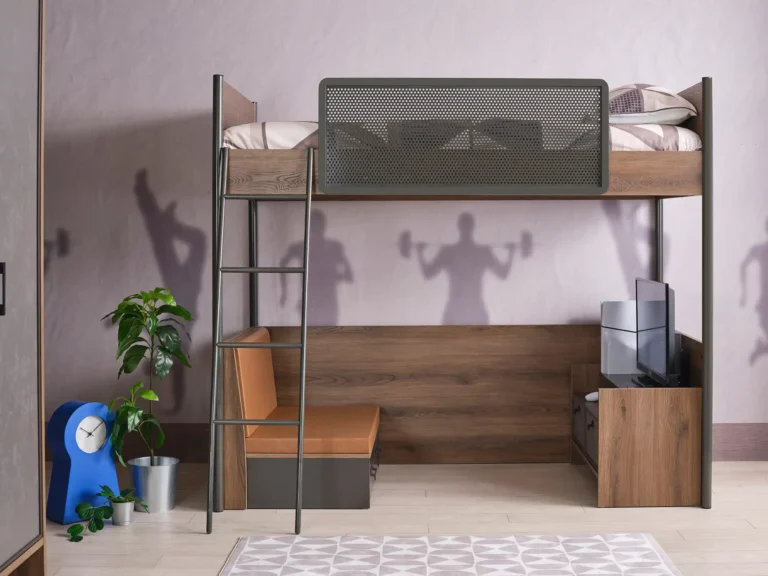
Invest in pieces that can easily transform or serve multiple purposes. For instance, a bed with storage underneath can keep the space tidy, while a desk can double as a craft station. This flexibility allows your child to feel a sense of ownership and belonging in their environment.
As they shift from playing with toys to studying or pursuing hobbies, adaptable furniture can seamlessly accommodate those changes. By creating a dynamic space, you’re supporting their growth and fostering a sense of comfort and identity they’ll cherish for years to come.
Multi-functional Play Areas
Creating multi-functional play areas in your child’s room is essential for fostering creativity and encouraging play. By designing spaces that adapt to their needs, you help them feel more engaged and connected.
Here are some ideas to reflect upon:
- Flexible furniture that can be easily rearranged for different activities.
- Creative storage solutions to keep toys organized and accessible, promoting independence.
- Multi-use surfaces, like a table that doubles as a craft station or game area.
- Zoned areas to encourage various types of play, from quiet reading nooks to energetic movement spaces.
These elements not only maximize the space but also create a sense of belonging, allowing your child to thrive in an environment that nurtures their imagination.
Storage Solutions That Encourage Organization
While a clutter-free space can seem like a distant dream, implementing smart storage solutions can transform your child’s room into an organized haven.
Start by using colorful bins and baskets that your child can easily access and enjoy. Labeling these containers together can make organizing a fun activity, fostering a sense of ownership.
Consider incorporating shelving units at their height, allowing them to reach books and toys without help. Under-bed storage is another clever way to maximize space while keeping items out of sight.
Wall-mounted organizers can also be great for displaying art supplies. When kids see their belongings neatly arranged, they’ll feel more secure and comfortable, creating a space that truly feels like their own.
Creating Zones for Different Activities
When you design a child’s room, dividing the space into distinct zones for different activities can enhance both functionality and playfulness.
Creating these zones helps your child feel more secure and organized, fostering a sense of belonging.
Consider the following areas:
- Sleep Zone: A cozy bed area with soft bedding for restful nights.
- Play Zone: A vibrant space with toys and games that inspire creativity.
- Study Zone: A dedicated desk for homework and projects, promoting focus.
- Relaxation Zone: A comfy nook with cushions or a reading corner for downtime.
The Influence of Patterns on Emotional Well-being
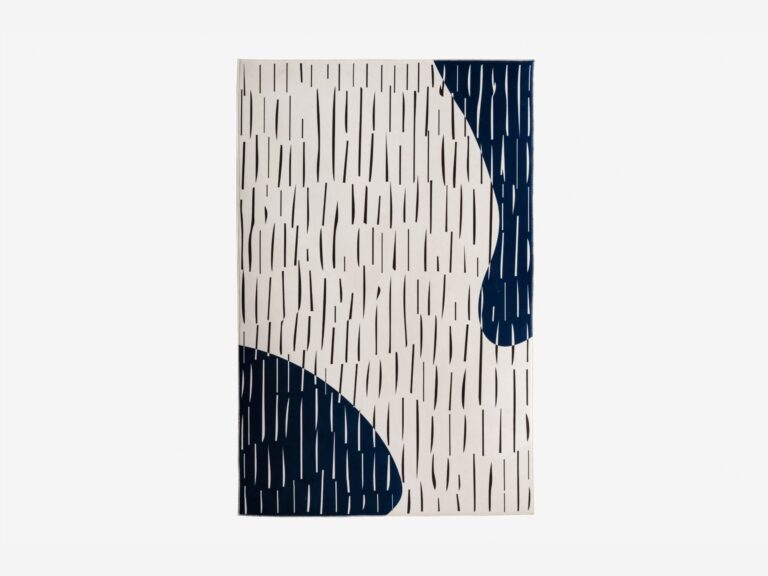
The way you incorporate patterns in a child’s room can greatly impact their emotional well-being. Patterns can evoke different feelings; for instance, soft, flowing designs may create a calming atmosphere, while bold, geometric shapes can energize and inspire creativity.
When you choose patterns that reflect your child’s interests, like stars or animals, it fosters a sense of belonging and personal connection to their space. Mixing patterns thoughtfully can also add visual interest without overwhelming them.
Consider balancing busy designs with softer ones to create harmony. Ultimately, the right patterns not only beautify the room but also nurture your child’s emotional stability, helping them feel safe, inspired, and truly at home.
Frequently Asked Questions
Conclusion
In designing your child’s room, remember that colors and shapes are more than just decor; they’re the brushstrokes of your child’s emotional landscape. By choosing calming hues and playful patterns, you’re painting a sanctuary that nurtures creativity and well-being.
Flexible layouts and organized spaces can turn chaos into harmony, creating a haven where your child can thrive. So, let your imagination run wild—you’re not just decorating a room; you’re crafting a world of possibilities for your little one.
Ready to create a dream room your child will love? Explore Kids M&I today for luxury, playful, and practical kids’ furniture that grows with them!