

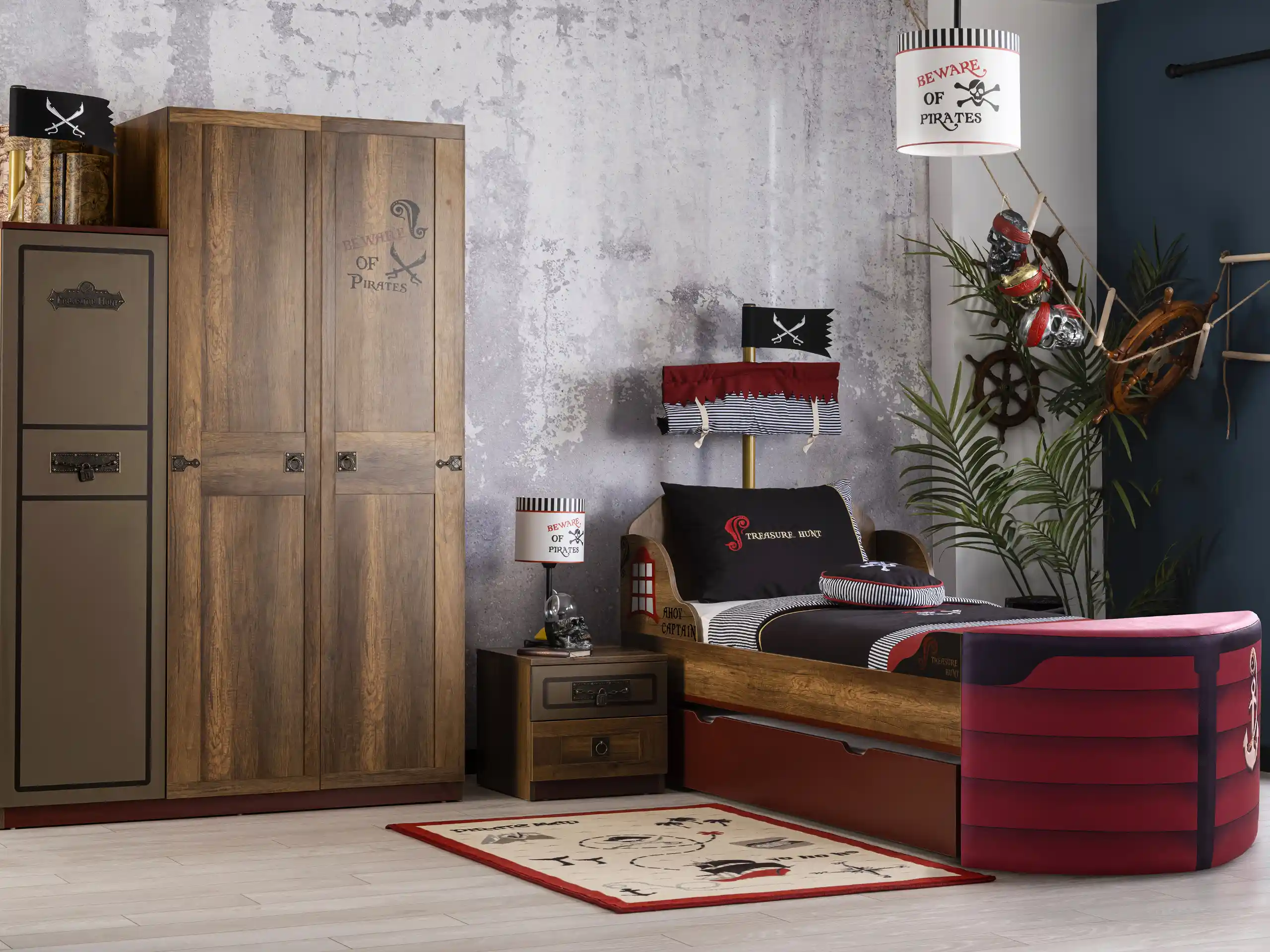
How to Decorate a Kids Room Step-by-Step – Complete Guide
How to decorate a kids room step-by-step? Designing your child’s bedroom is about more than just aesthetics—it shapes their comfort, creativity, and development. For modern parents, especially those creating beautiful homes across Ireland, the goal is clear: a space that looks stunning while working perfectly for everyday life.
Yet many families struggle with:
- Cluttered, messy rooms
- Mismatched furniture
- Poor storage solutions
- Cheap furniture that doesn’t last
That’s where a structured approach makes all the difference.
In this guide, you’ll learn a step-by-step system to decorate a kids room that feels cohesive, functional, and truly magical—while reflecting the premium, design-led approach of Kids M&I Interiors.
Step 1 – Start With a Clear Theme or Style
Why a Theme Matters
A well-defined theme is the foundation of a beautifully designed kids room. Without it, spaces quickly become cluttered and visually chaotic.
A clear style helps you:
- Create cohesion across furniture and decor
- Make faster design decisions
- Avoid costly mistakes
Popular Kids Room Themes
Some timeless and high-impact options include:
- Princess or fairy tale bedrooms
- Car and adventure-themed rooms
- Modern minimalist kids rooms
- Scandinavian-inspired spaces
Tip for Design-Focused Parents
Instead of committing to overly themed furniture, choose a timeless base design and layer in themed accessories. This ensures the room evolves as your child grows.
Step 2 – Choose the Right Colour Palette
Best Colour Strategies for Kids Rooms
The most successful kids rooms use:
- A neutral base (whites, beiges, soft greys)
- Accent colours through decor and textiles
This approach keeps the room elegant while allowing flexibility.
Psychology of Colours
Colours directly affect mood and behaviour:
- Blues and neutrals → calming, ideal for sleep
- Yellows and pastels → energising, great for play
Pro Tip
Use paint and accessories to introduce colour instead of permanent fixtures. This makes future updates simple and cost-effective.
Step 3 – Invest in Key Furniture Pieces First
Core Furniture Every Kids Room Needs
Start with essential pieces:
- A high-quality bed (the focal point)
- A study desk for learning and creativity
- Smart storage solutions
Focus on Quality & Longevity
One of the biggest frustrations parents face is replacing cheap furniture every few years. Investing in durable, premium pieces ensures long-term value.
Brands like Kids M&I Interiors focus on:
- Strong build quality
- Timeless design
- Furniture that grows with your child
Step 4 – Add Smart Storage Solutions
Why Storage Is Essential
Storage is the key to maintaining a clean, visually pleasing room. Without it, even the most beautiful design falls apart.
Best Storage Ideas
- Built-in wardrobes
- Toy storage units
- Under-bed drawers
- Wall shelving systems
Design Tip
In premium kids rooms, storage is not hidden—it’s integrated into the design. Think stylish shelving, coordinated units, and seamless finishes.
Step 5 – Layer Textiles for Comfort & Style
Key Soft Elements
Textiles add warmth and personality:
- Rugs
- Curtains
- Bedding
- Cushions
Creating a Cosy Atmosphere
Layering different textures transforms a room from basic to inviting. This is essential for creating that “cosy, safe space” children love.
Step 6 – Add Decorative Elements & Personality
Wall Decor Ideas
- Framed artwork
- Name signs
- Feature walls or murals
Personal Touches
- Display favourite toys
- Add bookshelves
- Showcase meaningful items
Avoid Overcrowding
A common mistake is over-decorating. Aim for a balance between:
- Style
- Functionality
- Open space
Step 7 – Lighting Makes the Room Magical
Types of Lighting to Include
A well-designed kids room includes:
- Ambient lighting (main light source)
- Task lighting (desk lamps)
- Decorative lighting (fairy lights, themed lamps)
Creating a “Magical” Feel
Soft, warm lighting creates a calming bedtime atmosphere while adding a touch of magic—something every child remembers.
Step 8 – Create Zones Within the Room
Functional Zones
Divide the room into:
- Sleep zone
- Study zone
- Play zone
Why Zoning Works
Zoning helps:
- Keep the room organised
- Support your child’s development
- Encourage better habits (study vs play separation)
Step 9 – Make the Room Adaptable as Your Child Grows
Flexible Design Choices
Choose:
- Neutral, timeless furniture
- Replaceable decor elements
Future-Proofing the Room
Avoid overly age-specific designs that quickly become outdated. Instead, invest in a long-term design vision, something at the core of Kids M&I Interiors’ approach.
Common Mistakes to Avoid When Decorating a Kids Room
- Prioritising style over function
- Ignoring storage needs
- Buying low-quality furniture
- Overcrowding the space
- Not planning for the future
FAQs – How to Decorate a Kids Room Step-by-Step
Conclusion
Decorating a kids room is about achieving the perfect balance between beauty and functionality. For modern Irish families, it’s not just about filling a space—it’s about creating an environment where children can grow, learn, and feel inspired.
By following this step-by-step approach, you can design a room that is:
- Stylish and cohesive
- Practical and organised
- Built to last for years
If you want to take it a step further, consider working with experts like Kids M&I Interiors, who specialise in luxury kids bedroom design, premium furniture, and full room transformations.
Because every child deserves a space that feels truly special.