Guide to Designing a Room That Grows From Ages 4–12
Designing a room that grows with your child from ages 4 to 12 means understanding their developmental needs. Create distinct zones for play, study, and relaxation with adaptable furniture.
Choose a neutral color palette that allows for easy updates, and incorporate flexible storage solutions to keep things organized. Don’t forget to encourage creativity with an art corner.
With thoughtful planning, you can guarantee the space remains functional and fun as they grow and evolve. Discover more insights ahead!
Key Takeaways
- Create distinct zones for play, study, and relaxation, adapting as children progress through developmental stages.
- Choose timeless, multi-functional furniture that can evolve with growing needs, like adjustable desks and convertible beds.
- Use a neutral color palette with vibrant accents to easily update the room as children’s preferences change.
- Implement flexible storage solutions, such as labeled bins and adjustable shelving, to promote organization and tidiness.
- Encourage child involvement in design choices and make small updates to reflect their evolving interests and individuality.
Understanding Your Child’s Developmental Stages
As your child grows, understanding their developmental stages becomes essential for creating a room that meets their needs.
From ages 4 to 12, kids progress through various phases that influence their interests and activities. At age 4, your child thrives on imaginative play, so include a cozy nook for storytelling and creative games.
By age 6, they start developing hobbies, making a dedicated space for arts and crafts invaluable.
As they approach 10, you’ll notice their need for independence; a study area where they can focus on schoolwork fosters responsibility.
Choosing Timeless Furniture That Grows With Your Child
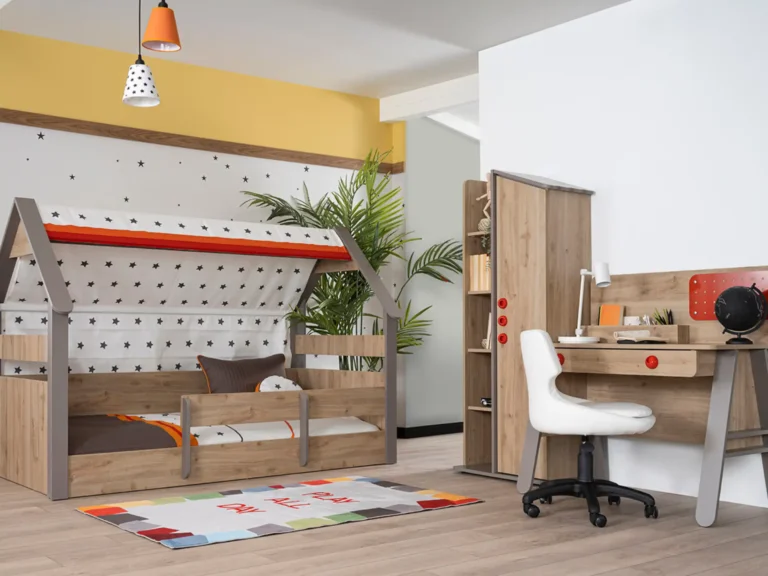
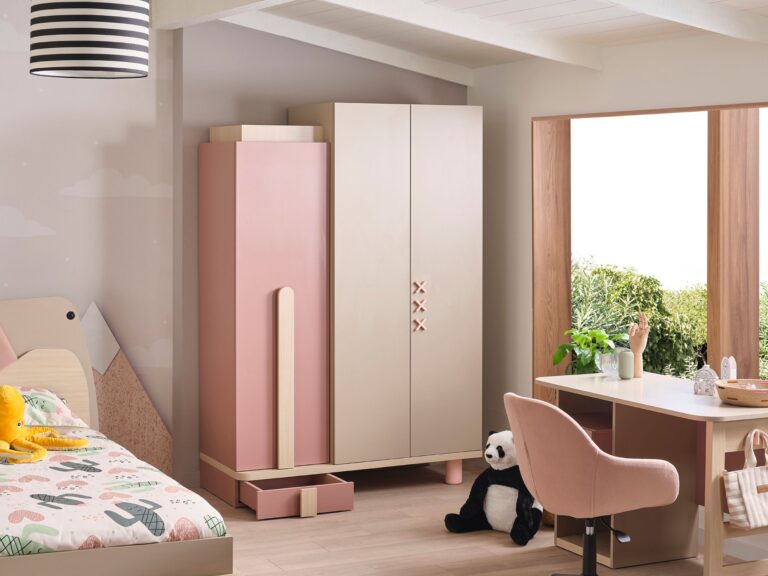
When selecting furniture for your child’s room, it’s important to choose pieces that can adapt to their changing needs over time.
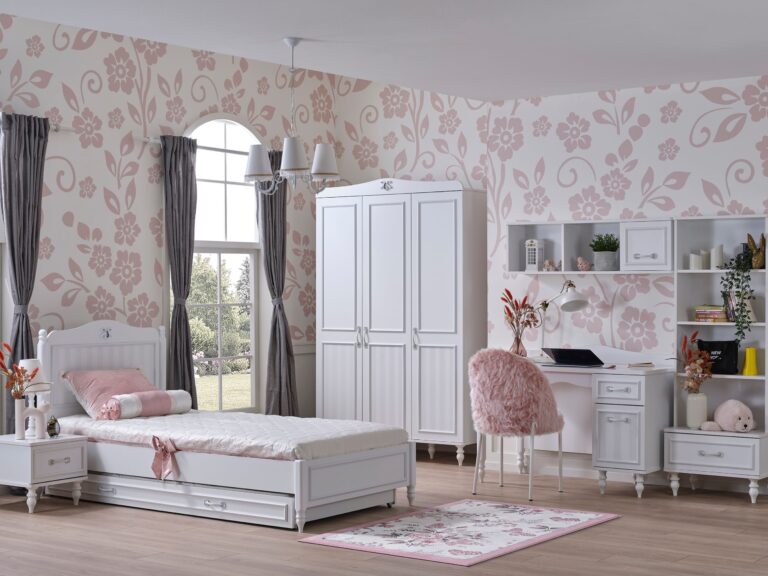
Look for items like adjustable desks and beds that can shift from a toddler’s crib to a full-sized bed. Opt for neutral colors and classic designs that won’t clash with evolving interests or styles.
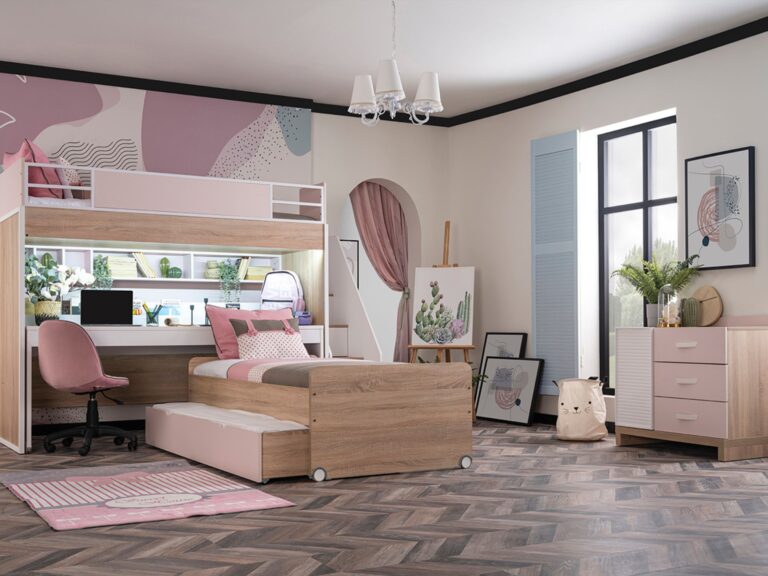
Multi-functional furniture, such as storage benches or modular bookshelves, can grow with your child, providing both practicality and a sense of belonging.
By investing in timeless pieces, you’re not just filling a space; you’re creating a nurturing environment that reflects their journey.
This thoughtful approach guarantees their room remains a cherished sanctuary, no matter how much they change.
Selecting a Color Palette for Longevity
When selecting a color palette for your child’s room, think about timeless color combinations that can adapt as they grow.
A neutral base can serve as a perfect backdrop, allowing you to easily refresh accents with their changing preferences.
This approach guarantees the space feels cohesive and stylish for years to come.
Timeless Color Combinations
Choosing a color palette for a room that caters to kids aged 4 to 12 can feel challenging, yet it’s essential for creating a space that grows with them.
Timeless color combinations, like soft blues and warm yellows, provide a sense of calm and cheerfulness. Consider pairing earthy greens with creamy whites to evoke nature and tranquility. These palettes create a welcoming atmosphere, making everyone feel at home.
You might also try combining muted pastels with vibrant accents; this allows for playful updates as your child’s interests shift.
Ultimately, selecting colors that reflect warmth and connection will foster a sense of belonging, ensuring the space feels like theirs for years to come.
Neutral Base Accents
While a colorful scheme can spark joy, incorporating neutral base accents is key for creating a timeless space that adapts as children grow.
By choosing soft whites, warm grays, or gentle taupes, you set a foundation that feels inviting and versatile. These neutral tones allow your child’s personality to shine through without overwhelming the room.
You can easily add vibrant pops of color with accessories, art, or bedding—elements that can be swapped out as tastes change. This approach not only fosters a sense of belonging but also creates a harmonious environment where your family can thrive.
Incorporating Flexible Storage Solutions
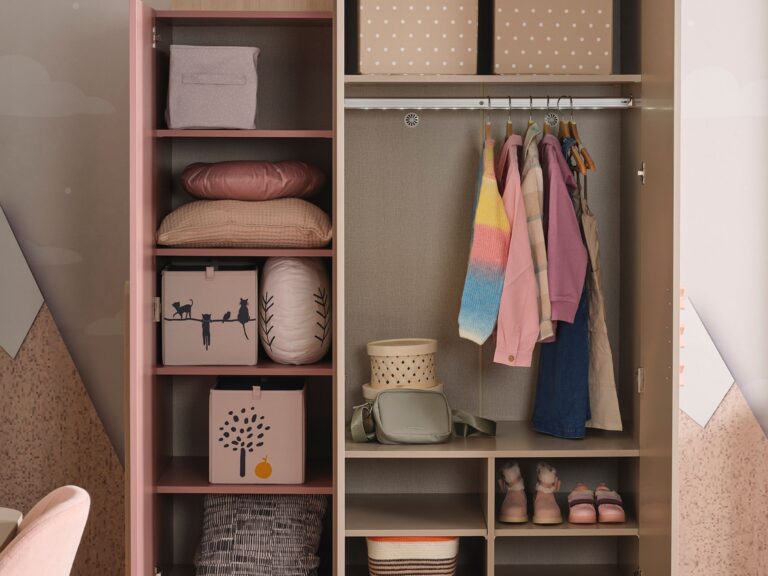
Incorporating flexible storage solutions is essential for creating a functional and organized space for kids aged 4 to 12.
Consider adjustable shelving units that can evolve with your child’s needs. Use bins and baskets that can easily be labeled, making it simple for kids to find and return their belongings.
Opt for multi-functional furniture, like ottomans with hidden storage, to maximize space and encourage tidiness. Hanging wall organizers can keep art supplies easily accessible while saving floor space.
Designing a Playful Yet Functional Layout
When you’re designing a room for kids aged 4 to 12, think about how flexible furniture can adapt to their changing needs.
Create distinct zones for different activities, like playtime, study, and relaxation, to keep things organized and functional. This approach not only encourages creativity but also guarantees the space works well for various activities.
Flexible Furniture Solutions
Creating a dynamic environment for children aged 4 to 12 involves choosing furniture that adapts to their ever-changing needs. Flexible furniture solutions help you create a space where kids feel comfortable and engaged. Consider multi-functional pieces that grow with them, so you won’t constantly need replacements.
Here’s a simple guide to help you choose:
| Furniture Type | Benefits |
|---|---|
| Adjustable desks | Accommodates growth |
| Modular seating | Configurable arrangements |
| Storage ottomans | Double as seating/storage |
| Folding tables | Easy to store/expand |
| Play mats | Fun, soft, and versatile |
Zoning for Activities
Designing a room for kids means thinking about how they’ll use the space for different activities.
Start by zoning areas for play, study, and relaxation. Create a vibrant play zone with soft rugs and storage for toys, inviting creativity and movement.
Next, designate a study area with a functional desk and good lighting, encouraging focus and a love for learning.
Don’t forget a cozy nook filled with cushions and books for winding down; it fosters a sense of comfort and belonging.
Use furniture that’s easily movable, allowing your kids to adapt their zones as they grow.
This thoughtful layout not only maximizes functionality but also nurtures their development, making the room a cherished space for years to come.
Creating Zones for Different Activities
To foster a dynamic and engaging environment for children ages 4 to 12, it’s essential to establish distinct zones tailored to various activities. Designate areas for play, study, creativity, and relaxation. This not only helps children focus but also encourages them to take ownership of their space.
Here’s a simple breakdown of activity zones:
| Zone | Purpose |
|---|---|
| Play Zone | For physical activities |
| Study Zone | For homework and reading |
| Creative Zone | For arts and crafts |
| Relaxation Zone | For downtime and reflection |
Adding Personal Touches That Can Evolve
To truly make the room your child’s own, consider rotating their artwork and decor regularly.
This keeps the space fresh and allows their personality to shine as they grow.
Additionally, choosing flexible furniture lets you adapt the room to their changing needs over time.
Artwork and Decor Rotation
Artwork and decor can transform a child’s room, making it a vibrant reflection of their personality and interests. To keep things fresh and engaging, consider rotating artwork and decor regularly.
This not only showcases your child’s evolving passions but also gives them a sense of ownership. Encourage your child to choose their favorite pieces, whether it’s their own artwork or prints that inspire them.
You could create a dedicated gallery wall for easy swaps, allowing them to curate their space. Seasonal themes or milestones can also guide these changes, making the room feel special and personalized.
This approach nurtures their creativity and gives them a space where they truly belong, fostering a sense of pride in their environment.
Flexible Furniture Choices
Since children’s needs and tastes change rapidly, choosing flexible furniture is essential for creating a room that grows with them.
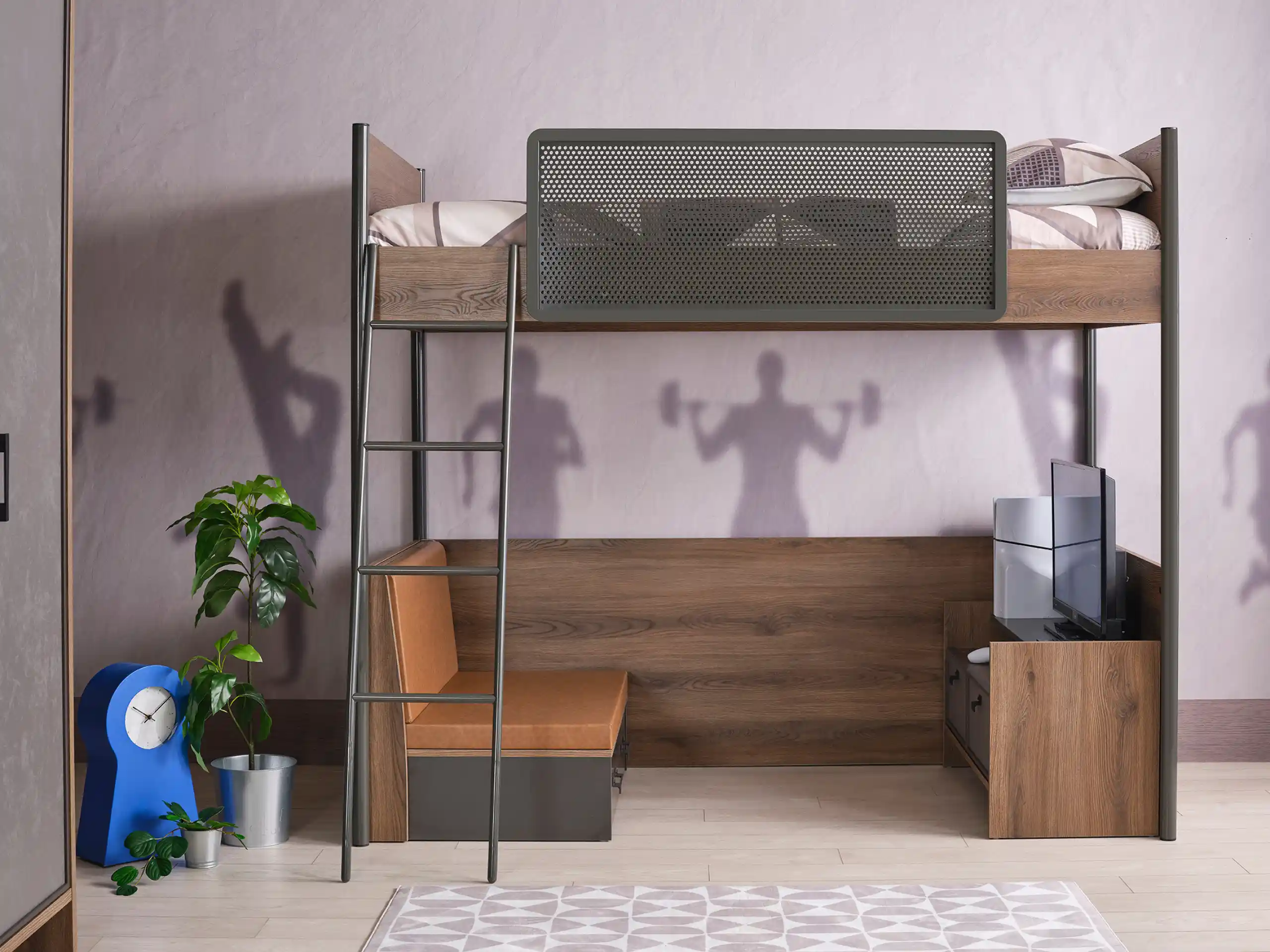
Look for items that adapt over time, offering comfort and functionality. For example, consider a convertible bed or adjustable desk that can shift as your child matures.
Here’s a quick reference table for flexible furniture options:
| Furniture Type | Features | Benefits |
|---|---|---|
| Convertible Sofa | Transforms into a bed | Space-saving & versatile |
| Adjustable Desk | Height can be changed | Grows with your child |
| Modular Storage | Configurable units | Customizable for different needs |
Integrating Technology Responsibly
As you design a room for ages 4–12, integrating technology responsibly can enhance both learning and play while ensuring a balanced environment.
Start by selecting age-appropriate devices, like tablets or educational games, that encourage creativity and problem-solving. Create tech zones, where kids can explore and collaborate, but also set boundaries to limit screen time.
Encourage a mix of digital and hands-on activities to foster social interactions and imagination. Incorporate charging stations that are easily accessible yet organized, so kids learn to respect their devices.
Finally, involve your children in discussions about tech usage, helping them understand the importance of balance. This way, they’ll feel valued and connected, cultivating a sense of belonging in their space.
Choosing Durable Materials for Longevity
Integrating technology responsibly is just one part of creating a functional space for kids. Choosing durable materials is equally essential for a room that lasts through various stages of childhood.
Opt for furniture made from solid wood or high-quality composites; they resist wear and tear better than cheaper alternatives. For flooring, consider laminate or vinyl that can handle spills and scuffs, making clean-up a breeze.
Upholstery should be stain-resistant and easy to clean, so you won’t stress over accidents. When picking decorations, go for wall art that’s easy to wipe down.
Encouraging Creativity With Art and Craft Spaces
Creating a dedicated space for art and crafts not only sparks imagination but also encourages kids to express themselves freely.
Set up a cozy nook with a sturdy table, colorful supplies, and organized storage. Let your child choose their favorite colors and materials, making the space feel personal and inviting.
Incorporate a bulletin board for displaying their masterpieces, fostering a sense of pride and belonging. You might also include a few comfy cushions for those moments when they want to relax and brainstorm ideas.
Lighting Solutions That Adapt to Changing Needs
A well-lit space can profoundly enhance creativity, especially in areas designed for art and crafts. To achieve this, consider adjustable lighting solutions that grow with your child’s needs.
Start with a central overhead fixture that provides ample illumination but isn’t overly harsh. Supplement it with task lighting, like a clip-on lamp, to focus on specific work areas.
As your child matures, you can introduce dimmable lights or smart bulbs that change color, fostering different moods for various activities.
Don’t forget natural light; position workspaces near windows to maximize sunshine during the day.
Tips for Transitioning the Room Over Time
As your child grows, it’s essential to adapt their room to reflect their changing interests and needs. Modifying their space doesn’t have to be overwhelming; small updates can make a big impact.
Here are some tips to keep in mind:
- Incorporate flexible furniture that can easily be rearranged or repurposed.
- Choose a neutral color palette as a base, allowing for easy updates with accessories.
- Create designated zones for different activities, like studying or playing, to cater to their evolving hobbies.
- Encourage your child’s input in decorating decisions to foster a sense of ownership and belonging.
Frequently Asked Questions
How Can I Incorporate My Child’s Interests Into the Room Design?
You can incorporate your child’s interests by using their favorite colors, themes, and decor. Add artwork, toys, or bedding that reflects their passions, and consider creating designated zones for different activities they love.
What Are Budget-Friendly Options for Growing Furniture?
You can find budget-friendly growing furniture options like convertible cribs and adjustable desks. Did you know 60% of parents prioritize multifunctional furniture? It helps create a cozy, adaptable space where your child feels truly at home.
How Can I Ensure Safety in a Multi-Age Room?
To guarantee safety in a multi-age room, you’ll want to secure heavy furniture, use rounded edges, and keep small items out of reach. Regularly check for hazards, encouraging a safe space for everyone to enjoy.
What Are the Best Materials for Art Supplies Storage?
For art supplies storage, use clear bins for visibility, durable materials like plastic or wood for longevity, and labeled containers to encourage organization. This way, everyone can find what they need and feel involved.
How Often Should I Reassess the Room’s Layout?
You should reassess the room’s layout every six months or whenever you notice your child’s needs changing. Regular adjustments keep the space functional and engaging, ensuring it always feels like a place they truly belong.
Conclusion
By designing a room that adapts as your child grows, you’re not just creating a space; you’re crafting a backdrop for countless adventures, much like a trusty friend that evolves with them.
Embrace the journey of childhood, where each corner of the room holds memories waiting to be made. With thoughtful choices, you’ll foster a haven that nurtures creativity and comfort, ensuring that each age brings its own magic, just like a beloved storybook that never gets old.
Ready to create a room that grows with your child? Visit Kids M&I today and explore beautifully designed, long-lasting furniture made to evolve with every stage of childhood. Let’s build their dream space together!