How to Design a Luxury Shared Kids’ Room Without Fights
To design a luxury shared kids’ room without fights, start by understanding each child’s unique personality and preferences. Choose a cohesive color palette that reflects their styles.
Invest in high-quality, durable furniture and create defined zones for each child with personalized touches.
Incorporate play areas seamlessly using multi-functional furniture, and establish shared space rules to respect boundaries. Involving your kids in the design process fosters ownership and care. Stick around to explore more effective strategies and tips!
Key Takeaways
- Involve children in the design process to ensure their preferences are respected and reflected in the space.
- Create defined zones with furniture arrangements and rugs to give each child a personal area.
- Choose a cohesive color palette that balances individual styles and fosters a harmonious environment.
- Implement multi-functional furniture that maximizes space and serves both sleep and play needs.
- Establish clear rules for shared spaces to promote respect, cooperation, and responsibility among siblings.
Understand Each Child’s Personality and Preferences
When designing a shared kids’ room, understanding each child’s personality and preferences is essential for creating a harmonious space.
Start by talking to your kids about what they love. Do they prefer a cozy nook or an open play area? Take note of their favorite colors, themes, and interests.
You’ll want to incorporate elements that reflect their unique identities while ensuring they feel comfortable and valued. Encourage them to share ideas, making the design process a fun bonding experience.
This way, both children will see their personalities represented, fostering a sense of belonging. By valuing their input, you’re not just designing a room; you’re crafting a space where they can thrive together, nurturing their individual relationships and creativity.
Choose a Cohesive Color Palette
Selecting a cohesive color palette is essential for creating a visually appealing and harmonious shared kids’ room. By choosing colors that complement each other, you’ll foster a sense of unity that helps your kids feel connected.
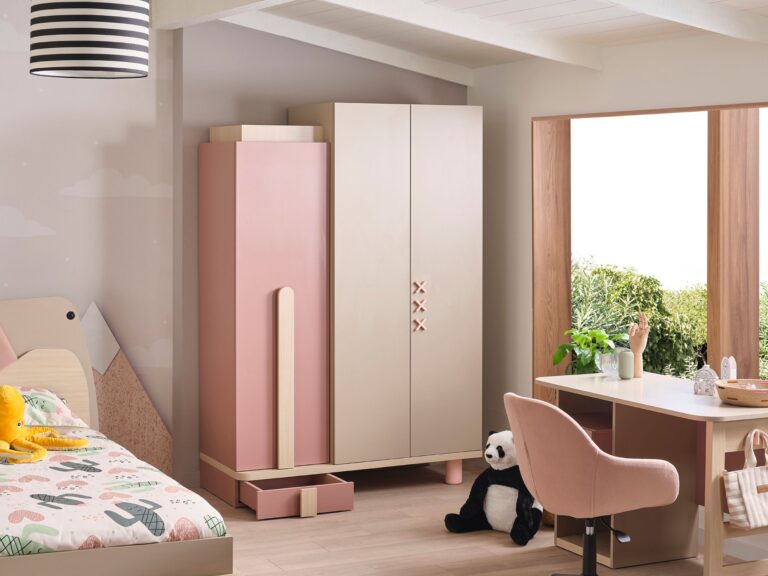
Start by picking a base color that both children love, then layer in accent colors that reflect their individual personalities. Soft pastels can create a calming atmosphere, while bright hues can energize the space.
Remember, balance is key—avoid overwhelming them with too many contrasting colors. You might even involve your kids in the decision-making process; this way, they’ll feel a sense of ownership and belonging in their shared sanctuary.
A well-thought-out palette will make their room a delightful retreat for everyone.
Invest in High-Quality Furniture
After establishing a cohesive color palette, it’s time to think about the furniture that will bring the room to life. Investing in high-quality furniture not only enhances the room’s aesthetic but also guarantees durability for your little ones’ adventures.
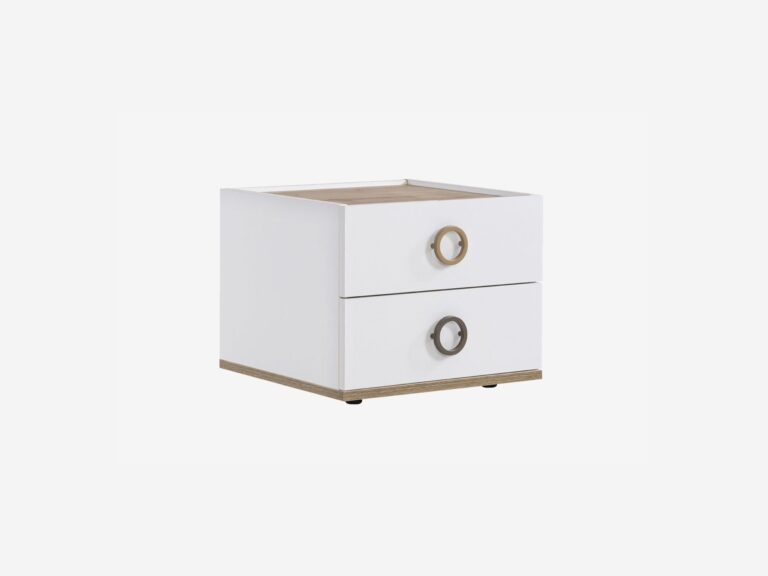
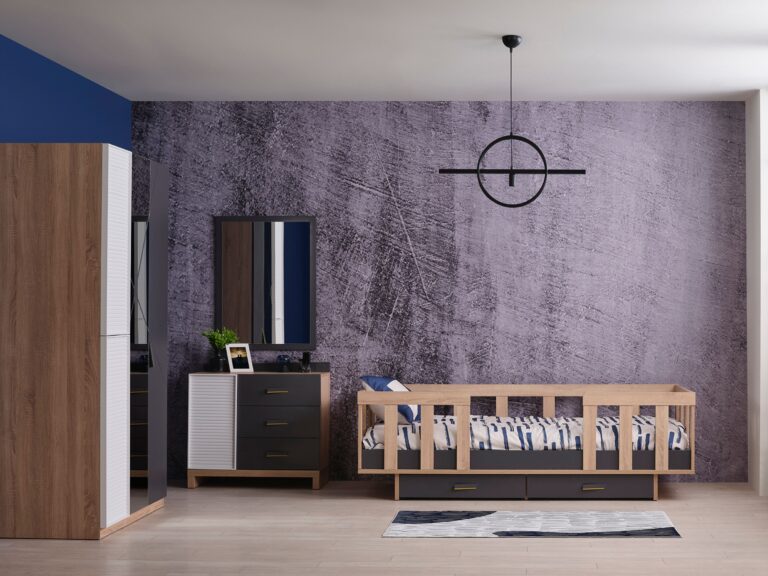
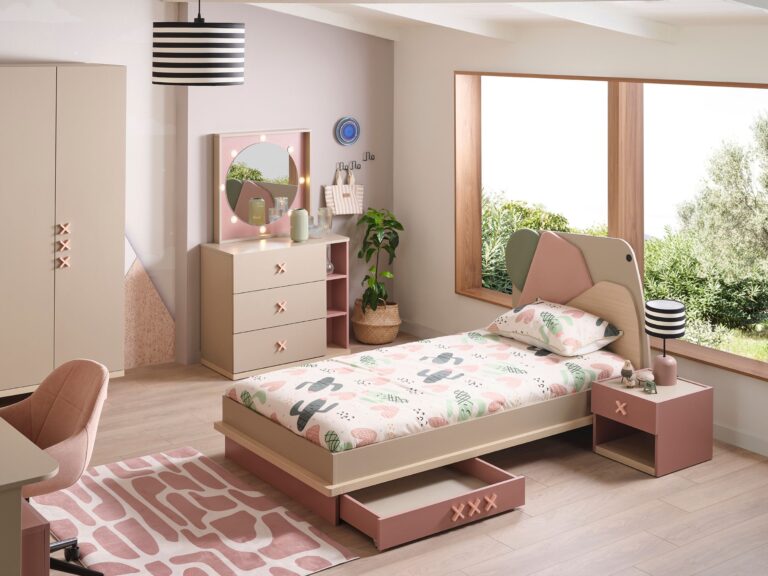
Opt for pieces that blend style with functionality—think sturdy beds, spacious dressers, and versatile storage solutions. You want furniture that can withstand daily wear and tear while reflecting your family’s unique style.
Look for timeless designs that foster a sense of belonging and comfort, creating a space where your kids can thrive. Remember, this isn’t just furniture; it’s the foundation of cherished memories, shared experiences, and a harmonious environment where both kids can feel at home.
Create Defined Zones for Each Child
Creating defined zones for each child transforms a shared kids’ room into a personalized haven. Start by evaluating their individual needs and interests.
Use furniture placement to establish boundaries—perhaps a cozy reading nook for one and an artsy space for the other. You can use rugs or different paint colors to visually separate these areas, making each child feel they’ve their own territory.
Make sure each zone has storage solutions tailored to their preferences, encouraging organization and ownership. This thoughtful arrangement fosters a sense of belonging, allowing your kids to express themselves freely while minimizing conflicts.
Incorporate Personal Touches and Decor
To truly make a shared kids’ room feel like home, incorporating personal touches and decor that reflect each child’s personality is essential.
When kids see their individuality in the space, it fosters a sense of belonging and harmony. Here are three ideas to get you started:
- Personalized Art: Encourage each child to create or choose artwork that resonates with them. Frame their masterpieces for a gallery wall.
- Unique Bedding: Select bedding that showcases their favorite colors, themes, or characters. This adds comfort and identity to their sleeping area.
- Custom Name Signs: Design or purchase name signs that display each child’s name in a fun font. Hang them above their designated zones to celebrate their uniqueness.
These personal touches will make the room a cherished space for both kids.
Optimize Storage Solutions
When designing a shared kids’ room, optimizing storage solutions is key to maintaining a clutter-free space.
You can achieve this by using multi-functional furniture that doubles as storage and implementing vertical options to maximize wall space.
Personalizing storage areas not only keeps things organized but also adds a fun touch for your kids.
Utilize Multi-Functional Furniture
In a luxury shared kids’ room, optimizing storage solutions with multi-functional furniture can transform the space into an organized haven.
By choosing versatile pieces, you create a functional yet stylish environment where your kids can thrive together.
Here are three essential items to evaluate:
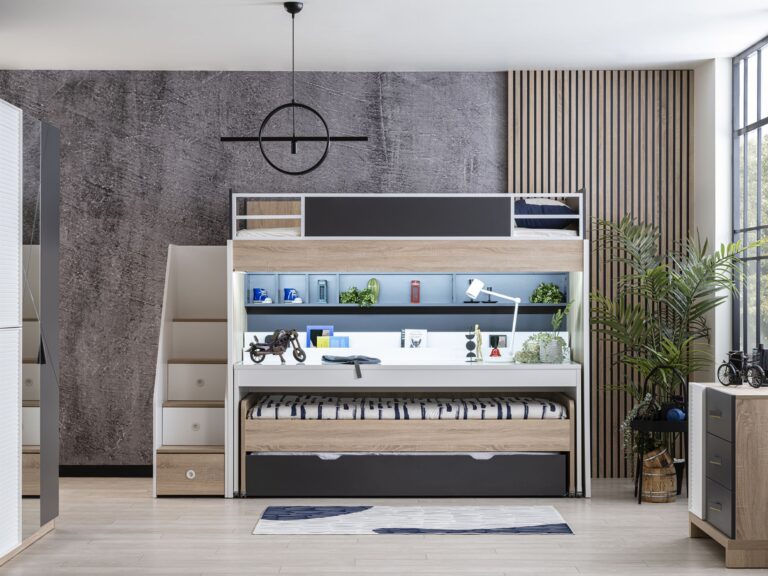
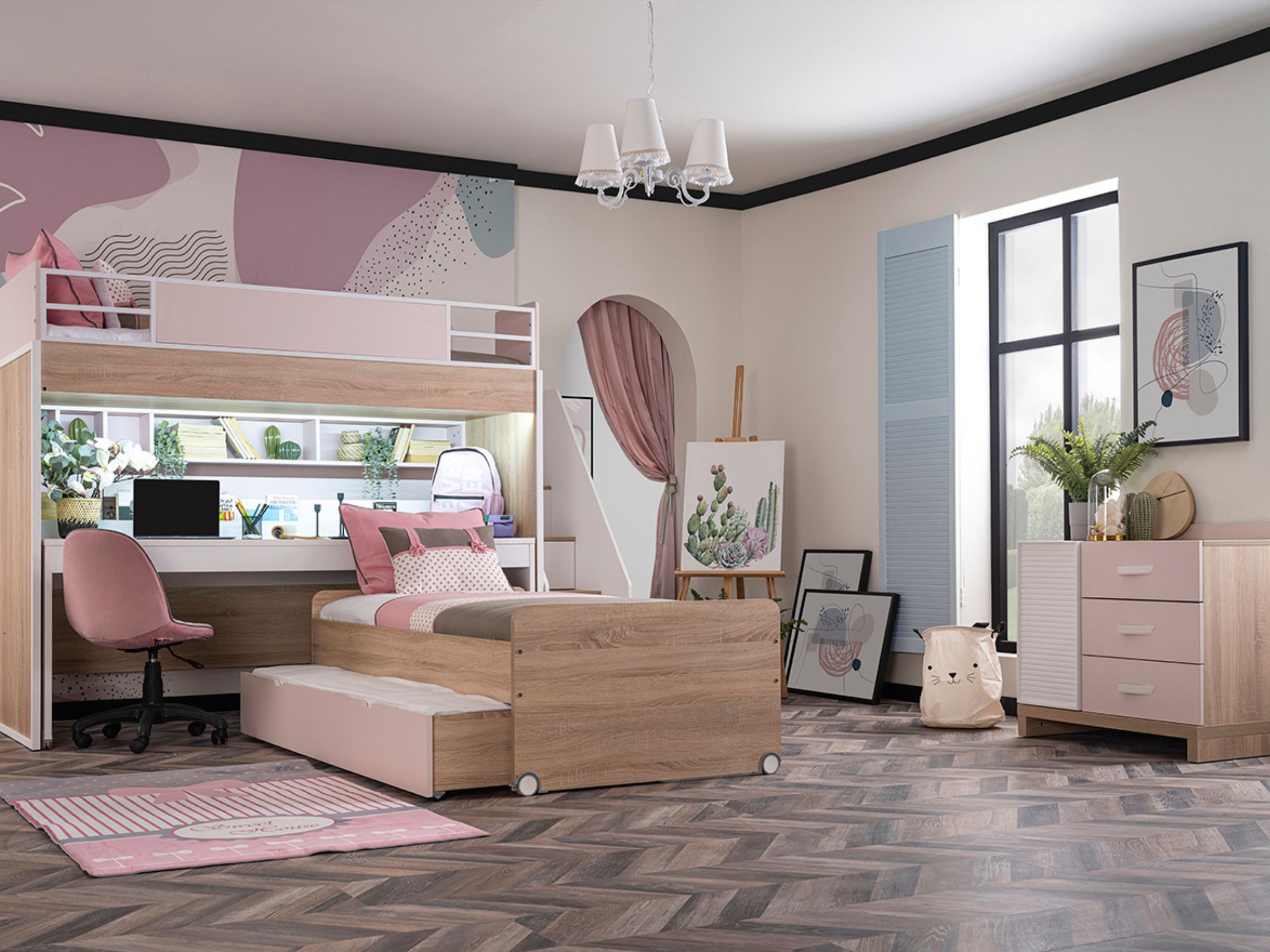
- Bunk Beds with Drawers: These save floor space and provide hidden storage for clothes and toys.
- Ottoman Storage Benches: Perfect for seating, they can also hold books and games while keeping the area tidy.
- Convertible Desks: These can serve as homework stations or craft areas, adapting to your kids’ needs as they grow.
With these choices, you’ll not only maximize space but foster a sense of belonging and comfort in their shared sanctuary.
Implement Vertical Storage Options
Maximizing vertical space is key in a luxury shared kids’ room, especially as your little ones accumulate toys and books.
Consider installing shelves that reach toward the ceiling; they’re perfect for displaying cherished items while keeping the floor clear. Use wall-mounted baskets or bins to store smaller toys, making them easily accessible and organized.
A tall bookcase can showcase books and stuffed animals, creating a cozy reading nook at the bottom. Don’t forget about hooks for bags or hats, adding a playful touch.
Personalize Storage Spaces
Personalizing storage spaces can transform a shared kids’ room into a unique and functional haven.
By incorporating their individual styles and preferences, you create an environment where both kids feel a sense of belonging.
Here are three ways to personalize storage effectively:
- Customized Bins: Use colorful bins or baskets with each child’s name or favorite character. This makes organizing their toys feel special.
- Themed Shelving: Design shelves that reflect their interests, like a sports theme for one and a princess theme for another. It adds character and personal touch.
- Artistic Labels: Create fun, artistic labels for each storage area. This helps kids easily identify their items while showcasing their creativity.
With these ideas, you’ll foster a harmonious and uniquely personal space.
Consider Multi-Functional Pieces
When designing a shared kids’ room, consider incorporating multi-functional pieces that maximize space.
Think about furniture that can easily convert from sleep to play, like a bed that transforms into a play area.
This not only saves space but also adds versatility to the room, making it a fun and practical environment for your kids.
Space-Saving Furniture Solutions
To create a functional yet stylish shared kids’ room, consider incorporating space-saving furniture solutions that double as storage or play areas.
These clever pieces help you maximize space while keeping the room organized and inviting for your children. Here are three great options:
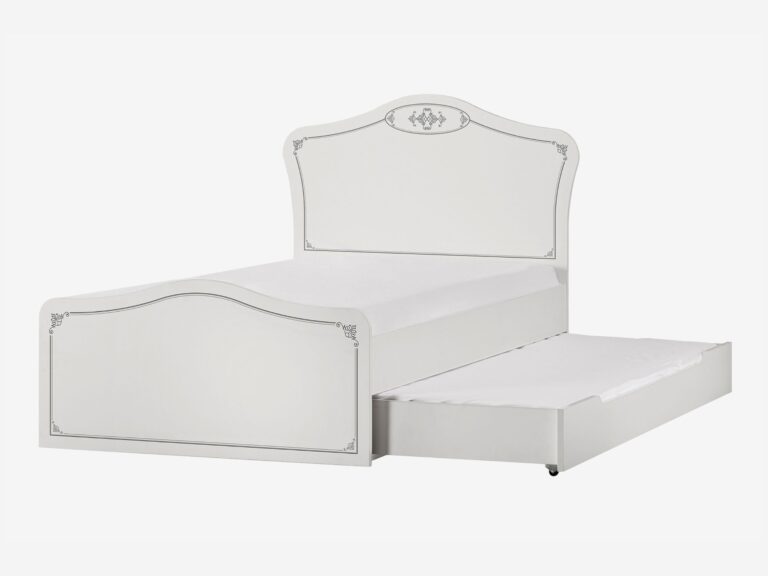
- Bunk Beds with Drawers: They save vertical space and come with built-in storage for toys and clothes.
- Storage Ottomans: These versatile pieces can serve as seating, footrests, or even tables while hiding away games and books.
- Wall-Mounted Desks: Perfect for homework or craft time, they free up floor space and can fold away when not in use.
With these solutions, your kids will enjoy a harmonious space where they feel at home and belong.
Convertible Sleep and Play
Maximizing space in a shared kids’ room can also mean incorporating convertible sleep and play pieces that adapt to your children’s needs. These multi-functional furniture options foster harmony and creativity, giving your kids a sense of belonging in their shared space.
| Piece | Function 1 | Function 2 |
|---|---|---|
| Loft Bed | Sleeping space | Play area below |
| Storage Bench | Seating | Toy storage |
| Bunk Bed | Sleeping space | Homework nook |
| Foldable Table | Play area | Art station |
| Convertible Sofa | Seating | Sleepover bed |
Use Soft Lighting for a Cozy Atmosphere
Creating a cozy atmosphere in a shared kids’ room is essential, especially when soft lighting plays a pivotal role.
The right lighting can make the space feel inviting and peaceful, helping your kids bond and relax. Here are three ways to achieve that soft glow:
- Layered Lighting: Combine overhead fixtures with bedside lamps to create different moods throughout the day.
- Dimmable Options: Install dimmer switches to adjust brightness according to activities, whether it’s reading or winding down.
- String Lights: Add string lights along shelves or walls for a whimsical touch that enhances the room’s charm.
Integrate Play Areas Seamlessly
While designing a shared kids’ room, integrating play areas seamlessly is essential for fostering creativity and collaboration.
Consider creating distinct zones using rugs or furniture arrangements that define spaces for play without feeling disconnected. Use storage solutions that blend style and function—think chic baskets or built-in shelves that encourage kids to keep their toys organized and accessible.
Incorporate elements like a chalkboard wall or a cozy reading nook that invites both children to engage together or independently. This way, you create a harmonious environment where they feel a sense of ownership and belonging.
Establish Rules for Shared Spaces
To guarantee a harmonious environment in a shared kids’ room, it’s crucial to establish clear rules for the space.
Setting guidelines helps everyone feel respected and valued, fostering a sense of belonging.
Here are three rules to reflect on:
- Respect Personal Space: Each child should have designated areas for their belongings, encouraging them to keep their things organized and separate.
- Take Turns: Whether it’s choosing toys or picking a movie, taking turns promotes fairness and cooperation.
- Clean Up Together: Establish a routine for cleaning up at the end of the day.
Working together helps build teamwork and responsibility.
Involve Kids in the Design Process
How can you make a shared kids’ room truly special? Start by involving your kids in the design process.
Get their input on colors, themes, and furniture choices. This isn’t just about aesthetics; it’s about creating a space that feels like home for both of them.
Ask them to sketch their ideas or gather inspiration from magazines. Letting them contribute fosters a sense of ownership, making them more likely to care for the space.
You might even consider a “design day,” where they can express their preferences and collaborate on decisions.
Maintain Flexibility for Future Changes
As your kids grow and their interests evolve, it’s essential to maintain flexibility in the design of their shared room.
Creating a space that adapts to their changing needs helps foster a sense of belonging and ownership.
Here are three ways to guarantee your kids’ room remains versatile:
- Modular Furniture: Invest in pieces that can be rearranged or repurposed as your children’s needs change, like beds that convert or desks with adjustable heights.
- Neutral Color Palette: Choose colors that can easily blend with new themes or interests, allowing for simple updates without a complete overhaul.
- Removable Decor: Opt for wall decals or art that can be easily swapped out, letting your kids express themselves without permanent changes.
This way, their room stays a true reflection of who they’re growing to be.
Frequently Asked Questions
How Can I Prevent Arguments Over Room Organization?
You can prevent arguments over room organization by involving everyone in the planning. Set clear guidelines, designate personal spaces, and encourage teamwork. Regularly check in to adjust the system, ensuring everyone feels respected and included.
What Are Budget-Friendly Options for Luxury Decor?
You can create a luxurious feel on a budget by using thrifted decor, DIY projects, and affordable accessories. Incorporate rich colors, textures, and stylish lighting to elevate the space without overspending. You’ll love the transformation!
How Do I Handle Different Bedtime Routines?
To handle different bedtime routines, you can establish a consistent schedule that accommodates both kids. Create a calming environment with dim lights and soft music, allowing each child to wind down in their own way.
What if My Kids Have Conflicting Color Preferences?
You can blend their favorite colors into a cohesive palette. Choose neutral tones as a base, then add colorful accents that reflect both kids’ preferences. This way, they’ll feel included and happy in their shared space.
How Can I Encourage Shared Responsibility in Upkeep?
Studies show kids who share responsibilities are 30% more likely to collaborate. You can encourage this by assigning daily chores, creating a chore chart, and rewarding teamwork, fostering a sense of belonging and pride in their space.
Conclusion
Designing a luxury shared kids’ room is like crafting a beautiful tapestry, where each thread represents your child’s unique personality. By understanding their preferences and creating defined zones, you weave harmony into their space.
High-quality furniture serves as the sturdy loom, while personal touches and play areas add vibrant colors.
Involving your kids in the design process guarantees their voices are heard, creating a sanctuary where laughter flourishes, and sibling bonds grow stronger, turning fights into shared adventures.
Ready to create a dreamy shared room your kids will love? Explore premium kids’ furniture at Kids M&I and start designing their perfect space today!