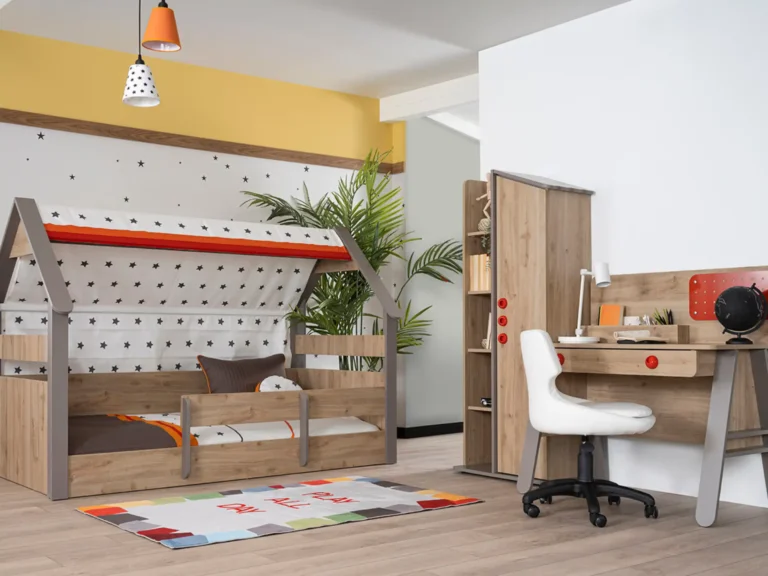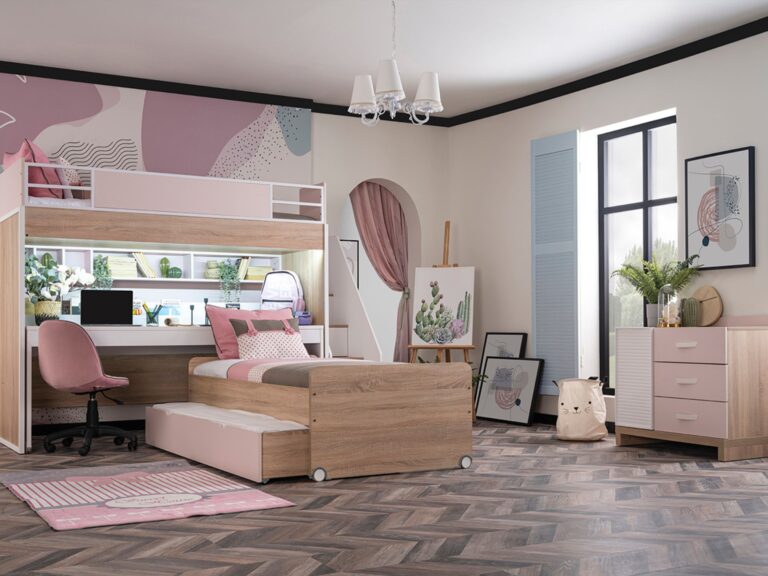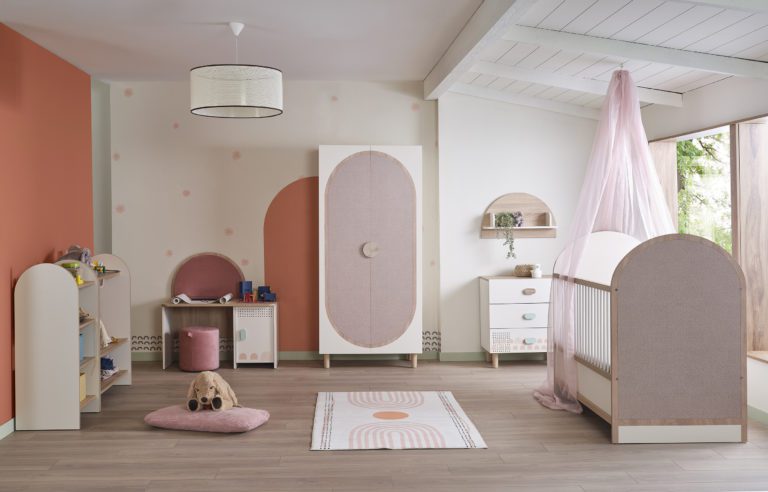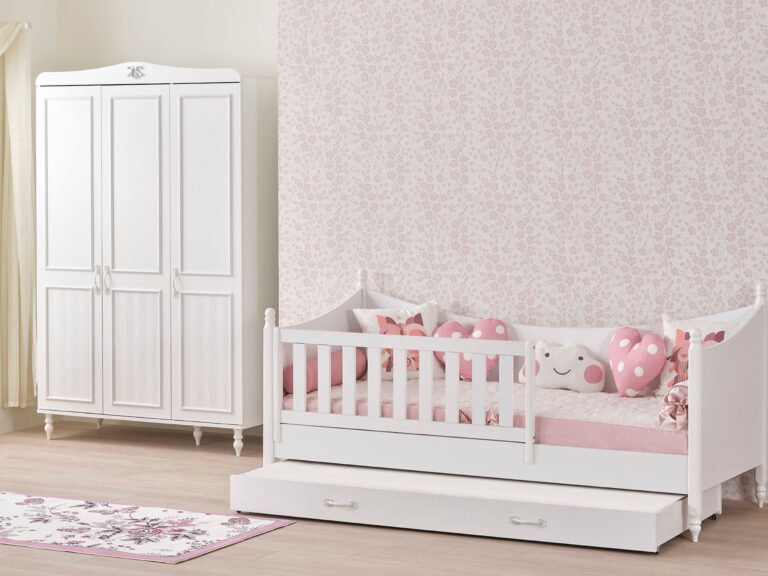
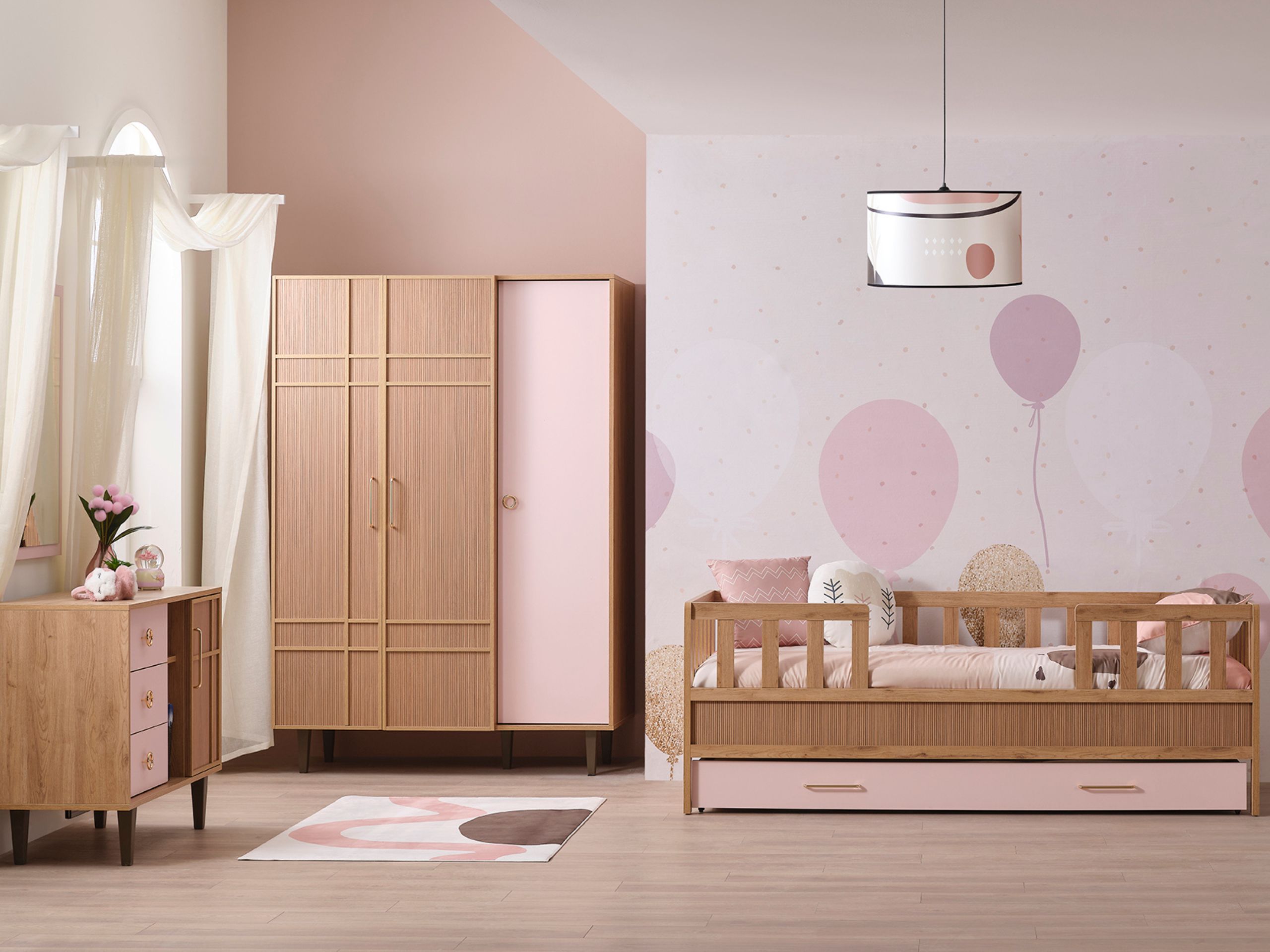
How to Create a Calm, Screen-Free Sleep Environment for Kids
To create a calm, screen-free sleep environment for your kids, establish a consistent bedtime routine that includes calming activities like reading together. Design a cozy bedroom with soft colors and minimal decor to promote relaxation.
Limit noise and light disruptions by using blackout curtains and soft rugs. Encourage relaxation techniques such as deep breathing and gentle stretching. Finally, set clear screen time boundaries to foster healthy habits. There’s more to explore for a peaceful sleep space.
Key Takeaways
- Establish a consistent bedtime routine with calming activities like reading to foster a sense of security and prepare children for sleep.
- Create a calming bedroom atmosphere by decluttering, using soft textures, gentle lighting, and maintaining a cool temperature for comfort.
- Incorporate soothing colors and nature-inspired decor to promote relaxation and a serene environment for restful sleep.
- Limit noise and light disruptions with heavy curtains, acoustic panels, and white noise machines to create a peaceful sleep space.
- Introduce relaxation techniques such as deep breathing, gentle stretching, and non-digital entertainment like board games and crafts to encourage calmness.
Establish a Consistent Bedtime Routine
Establishing a consistent bedtime routine is essential for helping your child wind down after a busy day. By setting a regular schedule, you create a sense of security that fosters trust and belonging.
Start with calming activities like reading together or sharing stories about the day. This helps your child feel connected to you and the world around them. Dim the lights, and offer a warm bath to signal that it’s time for sleep.
Consistency is key—try to follow the same order every night, so your child knows what to expect. It’s not just about sleep; it’s about creating a loving environment where your child can thrive.
Make this time special for both of you, and watch as peaceful sleep becomes your new norm.
Design a Calming Bedroom Atmosphere
After creating a consistent bedtime routine, the next step is to design a calming bedroom atmosphere that promotes relaxation and restful sleep.
Start by decluttering the space; a tidy room can help your child feel more at ease. Incorporate soft textures, like cozy blankets and plush pillows, that invite comfort.
Consider adding gentle lighting—like a bedside lamp with a warm glow or fairy lights—to create a soothing ambiance. You might also include personal touches, like favorite books or family photos, to foster a sense of belonging.
Finally, make certain the room is quiet and cool, as these factors greatly contribute to a peaceful sleep environment.
Choose Soothing Colors and Decor
When it comes to creating a peaceful sleep space for your child, the colors and decor play an essential role.
Opt for a calming color palette that includes soft blues, greens, or neutrals to promote relaxation.
Additionally, incorporating nature-inspired decor and a minimalist design can enhance tranquility in the room.
Calming Color Palette
Choosing a calming color palette can greatly impact your child’s sleep environment.
Soft, soothing colors create a peaceful ambiance that promotes relaxation and restful sleep. When selecting hues, consider these options:
- Pale blues that mimic the sky at dusk
- Gentle greens reminiscent of serene meadows
- Warm beiges that evoke a cozy, inviting feel
- Light lavender for a touch of tranquility
- Soft whites for a clean, soothing backdrop
Nature-Inspired Decor
To create a calming sleep environment, consider incorporating nature-inspired decor that reflects the tranquility of the great outdoors.
Use soothing colors like soft greens, muted blues, and earthy browns to evoke a sense of peace. Think about adding wall art featuring serene landscapes or gentle animal motifs, which can remind your child of nature’s beauty.
Natural materials, like wooden furniture or woven baskets, can enhance the cozy, grounded feel of the space. Textiles in organic fabrics, such as cotton or linen, can provide comfort while maintaining a connection to nature.
Minimalist Design Approach
A minimalist design approach can transform your child’s sleep space into a serene sanctuary. By choosing soothing colors and simple decor, you create an inviting atmosphere that promotes relaxation. Soft hues like gentle blues, muted greens, or warm neutrals can help calm the mind.
Consider these elements to enhance the tranquility of the room:
- A cozy, understated bedspread in a soft shade
- Natural wood furniture that exudes warmth
- A few carefully chosen, calming wall art pieces
- Subtle, ambient lighting that creates a gentle glow
- A plush rug that adds comfort underfoot
Limit Noise and Light Disruptions
To create a peaceful sleep environment, you need to limit noise and light disruptions in your child’s bedroom.
Consider soundproofing the room, selecting gentle nighttime lighting, and using white noise machines to mask any unwanted sounds.
These simple changes can greatly enhance your child’s ability to fall and stay asleep.
Soundproofing the Bedroom
Since a peaceful sleep environment is essential for your child’s rest, soundproofing the bedroom can greatly limit disruptions caused by noise and light.
You can create a serene space that invites relaxation and comfort. Here are some effective strategies:
- Heavy curtains to block outside noise and light.
- Acoustic panels on walls to absorb sound.
- Weatherstripping around windows and doors to seal gaps.
- Soft rugs on floors to muffle footsteps.
- White noise machines to create a soothing background sound.
Choosing Nighttime Lighting
Creating a peaceful sleep environment goes beyond soundproofing; it also involves managing light levels in the room. You want to choose soft, warm lighting that promotes relaxation.
Consider using dimmable lamps or nightlights that emit a gentle glow—this way, you can adjust the brightness as needed. Avoid harsh, bright lights that can disrupt the calming atmosphere you’re trying to create.
If your child needs a nightlight, opt for one with red or orange hues, as these colors are less likely to interfere with sleep. Remember, the goal is to make them feel secure and cozy.
White Noise Machines
Many parents find that white noise machines can be a game-changer when it comes to limiting noise and light disruptions during bedtime.
These devices create a soothing sound environment that helps your little ones drift off to sleep peacefully.
Imagine wrapping your child in a comforting cocoon of sound, where:
- Gentle ocean waves lull them to sleep
- Soft rain creates a serene atmosphere
- Whispering wind mimics a cozy night outside
- A steady fan hums like a warm embrace
- Calming heartbeat sounds echo the safety of your presence
Introduce Relaxation Techniques
While kids may find it hard to wind down after a busy day, introducing relaxation techniques can help ease their minds and prepare them for a good night’s sleep. You can create a cozy bedtime routine that includes calming exercises, making them feel safe and connected. Here are some effective techniques:
| Technique | Description | Benefits |
|---|---|---|
| Deep Breathing | Inhale through the nose, exhale slowly through the mouth. | Reduces anxiety, promotes calmness. |
| Progressive Relaxation | Tense and relax each muscle group, starting from toes to head. | Enhances body awareness, eases tension. |
| Guided Imagery | Visualize a peaceful place or scenario. | Sparks creativity, fosters tranquility. |
| Gentle Stretching | Simple stretches to release tension. | Improves relaxation, aids sleep. |
| Mindfulness | Focus on the present moment, using senses. | Cultivates peace, improves emotional regulation. |
Incorporating these can create a sense of belonging and comfort.
Encourage Reading Before Bed
Encouraging your kids to read before bed can make a big difference in their wind-down routine.
Choose engaging books that spark their imagination and interest, making reading a fun part of bedtime.
Choose Engaging Books
How can you turn bedtime into a delightful adventure? By choosing engaging books that whisk your little ones away to magical worlds!
Reading together not only fosters a love for stories but also creates cherished bonding moments. As you snuggle up, pick tales filled with:
- Brave knights battling dragons
- Curious animals commencing on thrilling journeys
- Enchanted forests with hidden secrets
- Whimsical characters that spark laughter
- Heartwarming stories about friendship and courage
These enchanting narratives ignite your child’s imagination, making bedtime a special ritual they look forward to.
Establish a Routine
Creating a consistent bedtime routine not only helps your child wind down but also sets the stage for those cherished reading moments.
Start by designating a specific time for winding down each night, signaling to your child that it’s almost time for sleep. Gather together with a cozy blanket and a few engaging books, making it a special time to connect.
Encourage your child to choose a book, fostering a sense of ownership in the ritual. As you read, let the soothing rhythm of your voice create a tranquil atmosphere, helping them feel safe and loved.
This routine not only nurtures their imagination but also strengthens your bond, making bedtime a beloved part of their day.
Opt for Non-Digital Entertainment
While screens can be entertaining, opting for non-digital activities can greatly enhance your child’s bedtime routine. Engaging in these activities not only fosters connection but also creates a calming environment for sleep.
Here are some ideas to inspire you:
- Read a story together, letting imagination soar with each turn of the page.
- Create simple crafts using paper, crayons, and glue, sparking creativity.
- Play board games that encourage teamwork and laughter.
- Listen to soothing music or nature sounds, wrapping your child in tranquility.
- Share your day through conversation, strengthening your bond and promoting relaxation.
Create a Cozy Sleeping Environment
A cozy sleeping environment can greatly impact your child’s ability to drift off peacefully. Start by choosing soft, breathable bedding that feels inviting.
Keep the room cool, ideally between 68-72°F, to promote comfort. Use blackout curtains to block out light, creating a soothing darkness that encourages sleep.
Incorporate gentle, calming colors like soft blues or greens to foster tranquility. You might consider adding a small nightlight or a comforting stuffed animal for security.
Arrange their favorite books or a cozy reading nook nearby, making the space feel personal and welcoming.
Finally, eliminate clutter to create a serene atmosphere, allowing your child to feel safe and relaxed as they settle in for the night.
Involve Children in the Sleep Space Design
Involving your child in the design of their sleep space can make a significant difference in how comfortable and happy they feel at bedtime.
When you collaborate, it fosters a sense of ownership and belonging. Ask them about their preferences and let their imagination shine. Together, you can create a cozy retreat that reflects their personality.
Consider incorporating elements like:
- Soft, colorful bedding that excites them
- Wall art or decals featuring their favorite characters
- A special nightlight that adds a warm glow
- A comfortable reading nook with plush pillows
- A personal touch, like a handmade blanket or stuffed animal
This way, their sleep space becomes a cherished sanctuary, making it easier for them to unwind and embrace sleep.
Set Clear Screen Time Boundaries
To guarantee your child winds down effectively at night, it’s important to set clear screen time boundaries.
Start by establishing specific times when screens are off, ideally an hour before bedtime. This helps your child understand when it’s time to switch gears and relax.
Communicate these rules openly, so your child feels involved and respected. You might create a fun chart together to track screen time, making it feel like a team effort.
Consistency is key; stick to these boundaries even on weekends.
By doing this, you’ll foster a sense of security and belonging, and your child will learn the importance of healthy habits.
With clear boundaries, you’ll pave the way for a peaceful sleep environment.
Use Sleep Aids Wisely
After setting clear screen time boundaries, consider how sleep aids can contribute to your child’s bedtime routine. When used wisely, these aids can create a soothing atmosphere that signals it’s time to wind down.
Think about incorporating some gentle options:
- Soft, plush blankets that invite snuggles
- Calming lavender-scented pillows that promote relaxation
- A nightlight with a warm, gentle glow for comfort
- Soothing bedtime stories that whisk them away to dreamland
- White noise machines that drown out distractions
Choosing the right sleep aids fosters a sense of security and belonging.
Monitor Sleep Patterns and Adjust Accordingly
While creating a calming sleep environment is essential, regularly monitoring your child’s sleep patterns is equally important.
Pay attention to how long it takes for them to fall asleep, how often they wake up during the night, and when they seem most restless. Keeping a sleep diary can help you spot trends and understand their unique needs.
If you notice they’re consistently waking up cranky or having trouble settling down, it might be time to adjust their bedtime or routine. Engaging with other parents can provide valuable insights and support.
Frequently Asked Questions
What Bedtime Snacks Promote Better Sleep for Kids?
Some great bedtime snacks for kids include bananas, oatmeal, and yogurt. These foods contain natural sleep-promoting ingredients. Just remember to keep portions small, so they feel comfortable and ready for a good night’s sleep.
How Can I Encourage Kids to Enjoy Reading More?
Kickstart their reading adventure by choosing engaging books together. Create cozy reading nooks, share stories, and discuss characters. Celebrate their progress, and soon, they’ll be hooked on the joys of reading like a pro!
Are There Specific Scents That Help With Relaxation?
Yes, specific scents like lavender, chamomile, and sandalwood can really help you relax. Try using essential oils or scented candles to create a soothing atmosphere that encourages calmness and makes winding down much easier.
What Role Do Pets Play in a Child’s Sleep Environment?
Pets can provide comfort and companionship, helping your child feel safe and relaxed at bedtime. Their presence often eases anxiety, making it easier for your little one to drift off into a peaceful sleep.
How Can I Address Children’s Fears at Bedtime?
You can address children’s fears at bedtime by listening to their concerns, reassuring them with a calm voice, and creating a comforting bedtime routine. Encourage them to express their feelings, fostering a sense of security and trust.
Conclusion
By creating a calm, screen-free sleep environment, you’re setting the stage for peaceful nights and refreshed mornings. Imagine your child drifting off to sleep with ease, surrounded by soothing colors and a cozy atmosphere.
But what happens when you take that first step? You might be surprised at the changes you see—not just in their sleep, but in their mood and energy levels too. Are you ready to transform bedtime into a serene ritual? The journey begins tonight.
Want a calmer bedtime routine? Discover our kid-friendly beds, cozy lighting, and smart storage that make relaxing sleep spaces effortless. Visit Kids M&I and transform your child’s room with ease.