Best Color Palettes for Kids’ Rooms That Age Gracefully
For a kids’ room that ages gracefully, consider a soft pastel palette for a calming touch or timeless neutrals combined with earthy tones for a classic look. Bold primary colors can spark creativity, while gender-neutral combinations create inclusivity.
Whimsical rainbow hues add playfulness, and coastal blues promote serenity. Don’t forget jewel tones for a hint of luxury. Explore these options to guarantee your child’s space reflects their growth while remaining inviting for years to come.
Key Takeaways
- Timeless neutrals and earthy tones provide a versatile backdrop that adapts as children grow, ensuring longevity in design.
- Soft pastel palettes create a calming atmosphere that supports relaxation and creativity, making them suitable for various ages.
- Gender-neutral color combinations, like terracotta and soft beige, foster inclusivity and can appeal to children throughout their development.
- Vintage-inspired shades evoke warmth and nostalgia, allowing for a charming and welcoming environment that remains relevant over time.
- Bold primary colors can energize spaces while allowing for easy personalization as children’s tastes evolve, promoting a dynamic yet adaptable room.
Soft Pastel Palette for a Gentle Touch
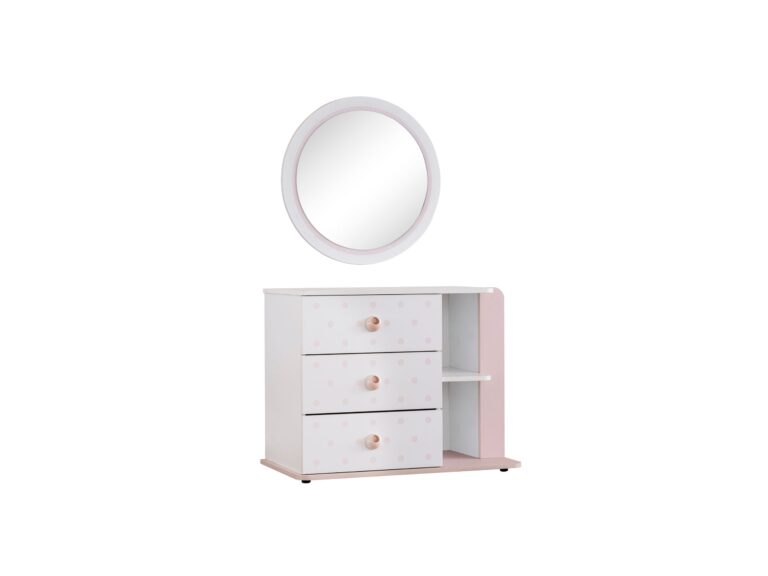
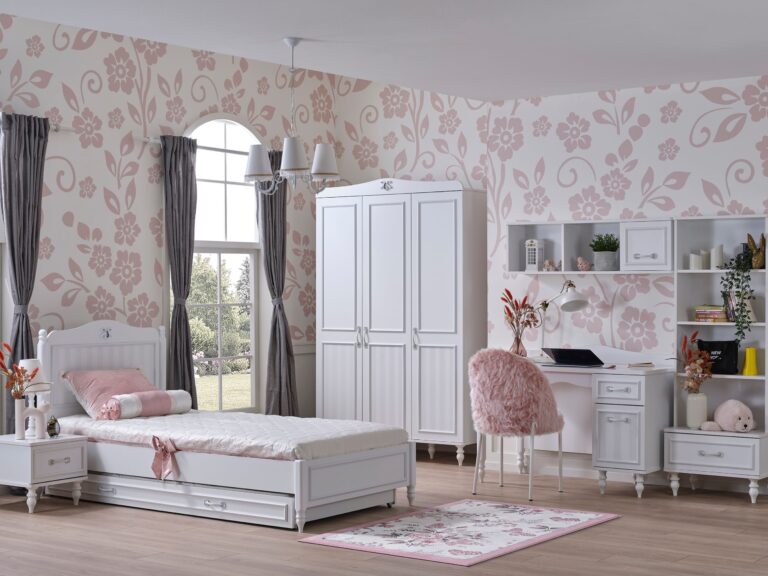
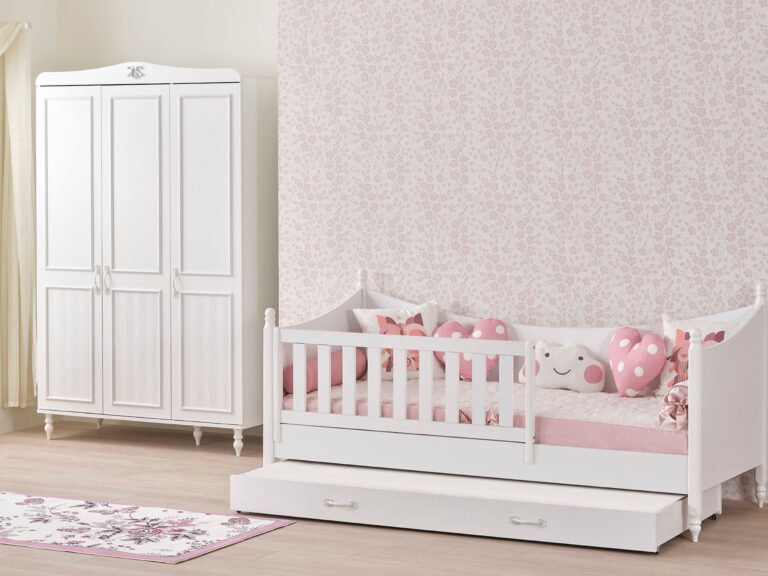
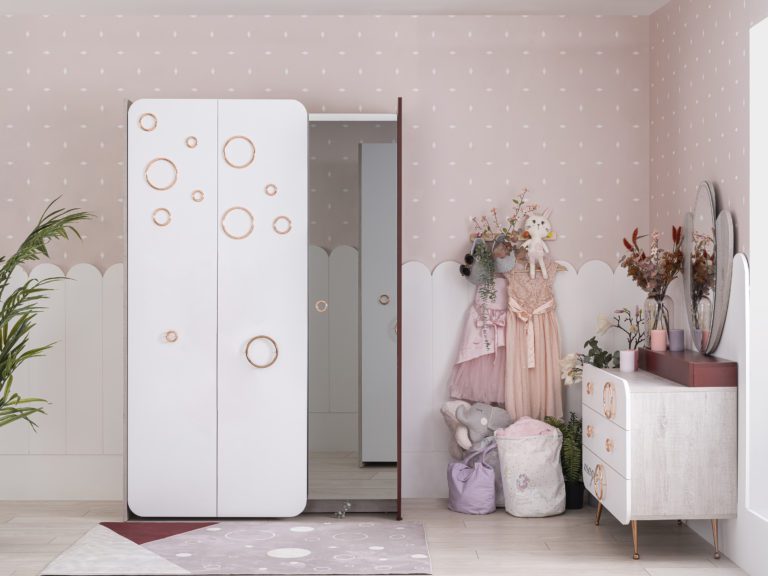
When you want to create a calming atmosphere in your child’s room, a soft pastel palette is an excellent choice. These gentle hues, like light pinks, soft blues, and pale greens, foster a sense of serenity and comfort.
You’ll find that such colors not only make the space feel inviting but also promote relaxation and creativity. Consider incorporating pastel shades in wall paint, bedding, and decor. By doing this, you can create a harmonious environment where your child feels safe and cherished.
Pair these colors with natural light to enhance their soothing effect. Remember, a calming room can help your child thrive emotionally, providing a nurturing space that encourages restful sleep and playful imagination.
Bold Primary Colors for Creative Expression
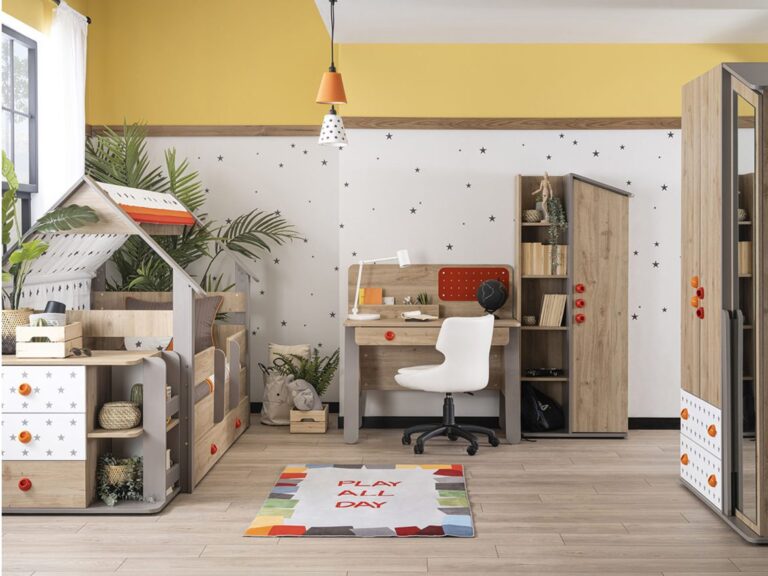
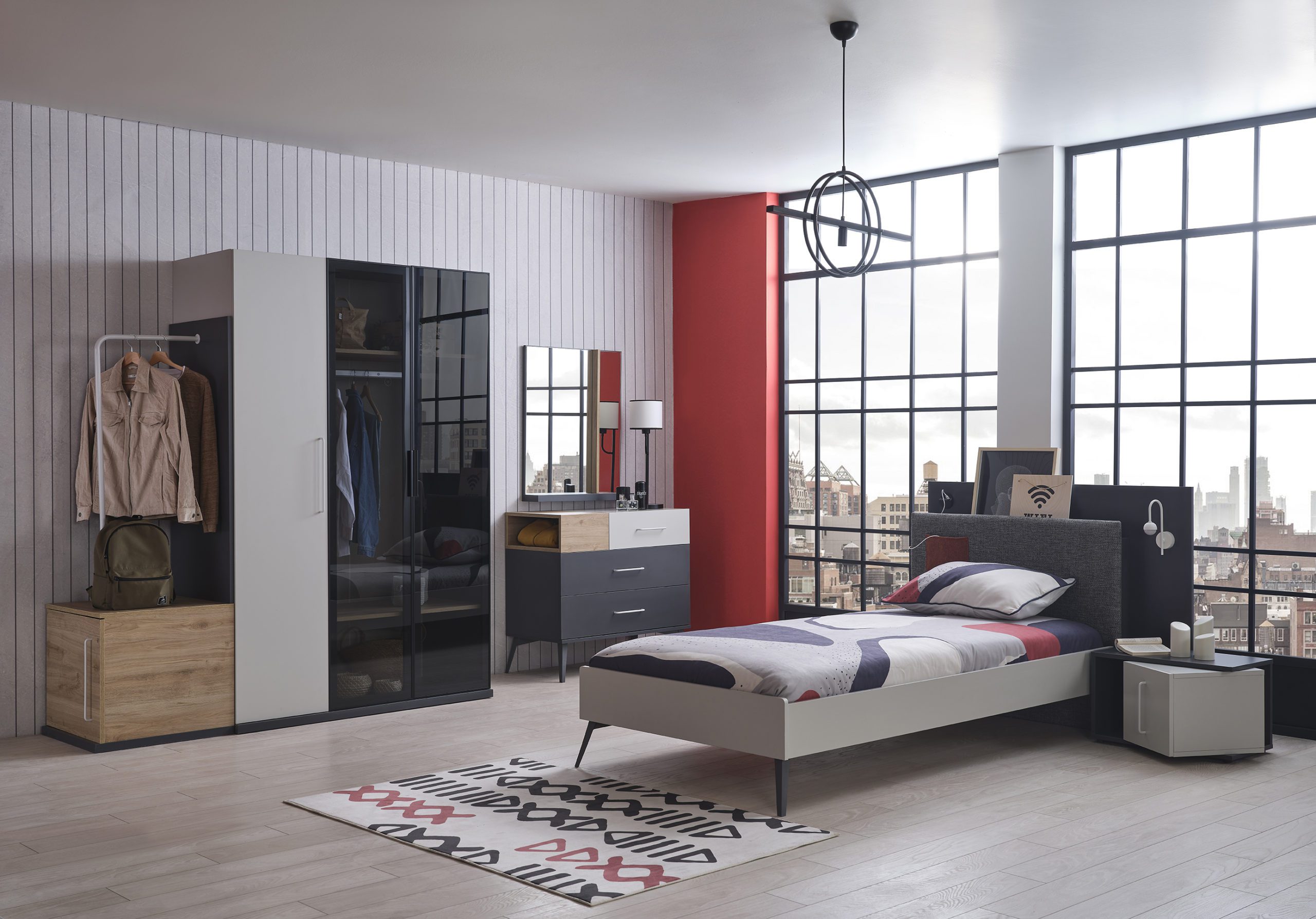
Bold primary colors can transform a child’s room into a vibrant space brimming with energy and creativity. When you embrace bright reds, blues, and yellows, you’re not just decorating; you’re inviting your child to express themselves freely.
These colors spark imagination and encourage playfulness, making the room a haven for creativity. You can paint an accent wall or incorporate colorful furniture and accessories, ensuring the space feels lively yet cohesive.
Kids love to personalize their environment, and bold colors provide a perfect backdrop for their unique styles. As they grow, these vibrant hues can easily adapt to reflect their evolving interests.
Timeless Neutrals for a Classic Look
While bright colors can ignite a child’s imagination, timeless neutrals offer a serene backdrop that promotes calmness and sophistication.
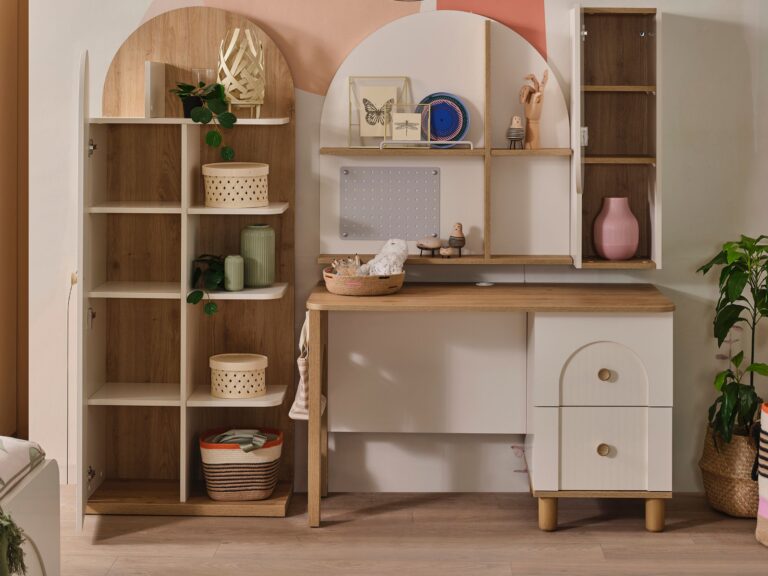
These shades, like soft grays, warm beiges, and creamy whites, create a versatile canvas that adapts as your child grows. By incorporating neutral tones, you’re fostering an environment that feels both inviting and grounded, allowing personal touches—like artwork or toys—to shine.
You can easily mix and match furniture and accessories, creating a cohesive look that invites connection and comfort.
Plus, neutral palettes allow for effortless shifts, as your child’s interests evolve. Embracing timeless neutrals not only brings a classic elegance to the room but also cultivates a space where your child feels secure, inspired, and truly at home.
Nature-Inspired Greens for a Calming Atmosphere
If you want to create a calming atmosphere in your child’s room, nature-inspired greens are a fantastic choice.
These soothing shades not only promote relaxation but can also be paired with decor elements that bring the outdoors inside.
Think about incorporating leafy patterns or wooden accents to enhance that serene vibe.
Soothing Shades of Green
When you want to create a calming atmosphere in your child’s room, nature-inspired shades of green can work wonders.
These soothing hues, like soft sage or gentle mint, evoke tranquility and connection to the outdoors. They can make your child’s space feel safe and inviting, perfect for relaxation and creativity.
You might consider pairing these greens with light neutrals to maintain a fresh feel or add playful accents for a touch of fun.
As your child grows, these versatile shades can adapt to their changing tastes while still providing a sense of comfort.
Nature-Inspired Decor Elements
Incorporating nature-inspired decor elements into your child’s room can enhance the calming atmosphere created by soothing shades of green.
By weaving in elements from the great outdoors, you not only foster a serene environment but also create a sense of belonging.
Consider these decor ideas:
- Wooden accents: Use furniture or decor made from natural wood for warmth.
- Botanical prints: Hang art featuring plants or animals to spark curiosity and connection.
- Textured fabrics: Choose cushions and blankets in earthy tones for comfort and coziness.
- Indoor plants: Add low-maintenance greenery to promote a fresh, lively feel.
These elements can transform your child’s space into a nurturing retreat that reflects the beauty of nature, making them feel right at home.
Whimsical Rainbow Hues for Playful Spaces
While creating a playful space for your child, consider embracing whimsical rainbow hues that spark joy and creativity. These vibrant colors not only energize the room but also encourage imagination and play.
By blending soft pastels with bold primary colors, you can create a lively atmosphere that feels welcoming and fun.
Here’s a quick guide to help you choose the perfect rainbow hues:
| Color | Mood | Suggested Use |
|---|---|---|
| Soft Pink | Calming | Bedding or curtains |
| Bright Yellow | Cheerful | Accent walls |
| Sky Blue | Invigorating | Furniture pieces |
When you incorporate these colors thoughtfully, you’ll foster a warm environment where your child can thrive and feel at home.
Elegant Monochromatic Schemes for Sophistication
When you think about creating a sophisticated kids’ room, consider elegant monochromatic schemes.
Timeless neutral shades or soft pastels can bring a calming vibe, while textured layering adds depth and interest.
You’ll find that this approach not only elevates the space but also grows with your child.
Timeless Neutral Shades
Timeless neutral shades offer a sophisticated backdrop for kids’ rooms, allowing you to create a space that grows with them.
These hues encourage a feeling of warmth and comfort, making any child feel at home. You can easily adapt the room’s decor as their interests evolve.
Consider these benefits of a neutral palette:
- Versatility: Works well with any decor style or theme.
- Calmness: Provides a tranquil environment for relaxation and creativity.
- Balance: Allows colorful accents to shine without overwhelming.
- Longevity: Stays stylish through different phases of childhood.
Soft Pastels for Elegance
Soft pastels bring a touch of elegance to kids’ rooms, creating a serene atmosphere that feels both inviting and sophisticated. You can easily embrace this aesthetic by choosing a monochromatic color scheme.
Soft shades of lavender, mint, or blush not only promote calmness but also encourage creativity. When you paint the walls a gentle hue, it sets the perfect backdrop for playful accents like plush toys or colorful artwork.
You’ll find that incorporating varying shades of the same color—like a pale pink paired with deeper rose—adds depth without overwhelming the senses. This harmonious approach allows your child’s space to grow with them, fostering a sense of belonging that feels timeless.
You’re crafting a nurturing environment that reflects both elegance and warmth.
Textured Layering Techniques
Building on the elegance established by soft pastels, incorporating textured layering techniques can elevate a monochromatic scheme to new heights of sophistication.
By mixing various materials and finishes, you create a warm, inviting space that feels both nurturing and stylish. Here’s how to achieve that:
- Use plush rugs to soften the floor and add comfort.
- Incorporate throw pillows in different fabrics for visual interest.
- Add wall art with diverse textures, like canvas or wood, to enhance depth.
- Select varying shades of your chosen color to create dimension.
These techniques not only enrich the room’s aesthetic but also foster a sense of belonging, making your child’s space a cozy, personal retreat.
Earthy Tones for a Grounded Feel
When you want to create a serene environment for your child’s room, earthy tones can offer a grounded feel that promotes relaxation and focus.
These colors—like soft browns, muted greens, and warm terracotta—work beautifully together to provide a cozy, inviting atmosphere. They encourage creativity while ensuring your child feels secure in their space.
Here’s a quick guide to help you choose the right earthy tones:
| Color | Mood |
|---|---|
| Soft Beige | Calm and soothing |
| Olive Green | Balanced and nurturing |
| Terracotta | Warmth and comfort |
| Dusty Blue | Tranquility and peace |
| Warm Taupe | Stability and grounding |
With these shades, you’ll create a room that nurtures your child’s growth and sense of belonging.
Bright Accents to Liven Up Neutral Bases
While earthy tones create a calming atmosphere, adding bright accents can energize a child’s room and spark creativity.
You want your child’s space to feel lively and inviting, and these pops of color can do just that.
Consider incorporating these vibrant elements:
- Colorful cushions: They add comfort and can be easily changed as tastes evolve.
- Bold wall art: A few eye-catching pieces can serve as focal points.
- Fun rugs: Brightly patterned rugs can define play areas and add warmth.
- Playful decor: Items like colorful shelves or quirky toys can inspire imagination.
Gender-Neutral Color Combinations for Inclusivity
When creating a kids’ room, it’s essential to contemplate gender-neutral color combinations that promote inclusivity.
Warm earthy tones, soft pastel shades, and bold neutral accents can create a welcoming space for all children.
These choices not only look great but also encourage creativity and comfort.
Warm Earthy Tones
Warm earthy tones offer a soothing backdrop for kids’ rooms, making them an ideal choice for creating a welcoming and inclusive space.
These colors evoke a sense of comfort and connection, allowing every child to feel at home. With their natural appeal, earthy tones encourage creativity and calmness.
Consider incorporating these color combinations:
- Warm terracotta paired with soft beige
- Olive green combined with muted mustard
- Sandy taupe alongside gentle clay
- Deep forest green mixed with creamy ivory
These gender-neutral options foster an environment where all children can thrive.
Soft Pastel Shades
After establishing a cozy atmosphere with warm earthy tones, consider soft pastel shades to further enhance inclusivity in your child’s room. These gentle hues create a welcoming environment that embraces all personalities. Soft pastels promote tranquility, sparking creativity while ensuring every child feels at home.
Here’s a quick guide to some beautiful gender-neutral pastel combinations:
| Color 1 | Color 2 |
|---|---|
| Soft Mint | Pale Peach |
| Lavender | Light Yellow |
| Sky Blue | Blush Pink |
| Buttercream | Soft Gray |
Incorporating these shades can make the space feel harmonious and inviting. By choosing soft pastels, you allow every child to express themselves freely, fostering a sense of belonging and warmth.
Bold Neutral Accents
While soft pastels create a serene backdrop, bold neutral accents can add depth and character to your child’s room.
These colors promote inclusivity and can grow with your child, making them perfect for any age. Here are some great ideas for incorporating bold neutrals:
- Layered Textures: Use rugs, cushions, or curtains in various neutral shades to create a cozy, inviting feel.
- Art and Décor: Choose artwork or wall décor in bold neutrals that spark creativity and imagination.
- Furniture Choices: Opt for furniture in deep grays or warm taupes that blend seamlessly with various themes.
- Accent Walls: Consider a bold neutral accent wall to balance out softer tones and add visual interest.
Embrace these accents for a welcoming space that feels just right!
Vintage-Inspired Shades for a Nostalgic Vibe
If you’re looking to infuse a sense of nostalgia into your child’s room, vintage-inspired shades can create a charming atmosphere that sparks memories of simpler times.
Soft pastels like mint green, dusty rose, and buttery yellow evoke warmth and comfort, inviting a sense of belonging. You might consider painting the walls in these hues or incorporating them through bedding and accessories.
Pairing these shades with classic patterns, like gingham or floral prints, enhances the nostalgic vibe. Vintage furniture pieces, like a well-loved rocking chair or a wooden toy chest, can also add character and history.
Coastal Blues and Sandy Tans for a Serene Environment
To create a serene environment in your child’s room, consider incorporating coastal blues and sandy tans that evoke the calming essence of the beach.
These colors not only promote relaxation but also foster a sense of belonging and comfort.
Here are some ways to integrate this palette:
- Accent Walls: Use a soft blue for an accent wall to create depth.
- Textiles: Choose sandy tan bedding or curtains for warmth and coziness.
- Artwork: Hang ocean-themed art to inspire imagination and tranquility.
- Accessories: Incorporate natural elements like seashells or driftwood to enhance the coastal vibe.
Jewel Tones for a Touch of Luxury
Jewel tones can transform your child’s room into a vibrant sanctuary that feels both luxurious and inviting. Deep emerald greens, rich sapphires, and warm amethysts create a cozy atmosphere, sparking creativity and imagination.
These colors work beautifully together, allowing you to mix and match for a stunning effect. Consider painting an accent wall in a bold jewel tone, or incorporate these hues through bedding, curtains, and decor.
You’ll find that jewel tones not only age gracefully but also provide a sense of belonging and warmth, making the space feel like a true retreat. As your child grows, these rich colors will continue to resonate, creating lasting memories in their personal haven.
Frequently Asked Questions
Conclusion
Choosing the right color palette for your child’s room is like picking the perfect outfit that grows with them. Whether you favor soft pastels or bold primary colors, these palettes allow for creativity and comfort as they age.
Embrace timeless neutrals or nature-inspired shades for a lasting appeal. Remember, a well-chosen color scheme can create a space that nurtures their imagination and reflects their personality, making their room a place they’ll love for years to come.
Explore Kids M&I’s luxury furniture to perfectly complement these color palettes and craft a stylish, playful, and lasting room your child will adore!